
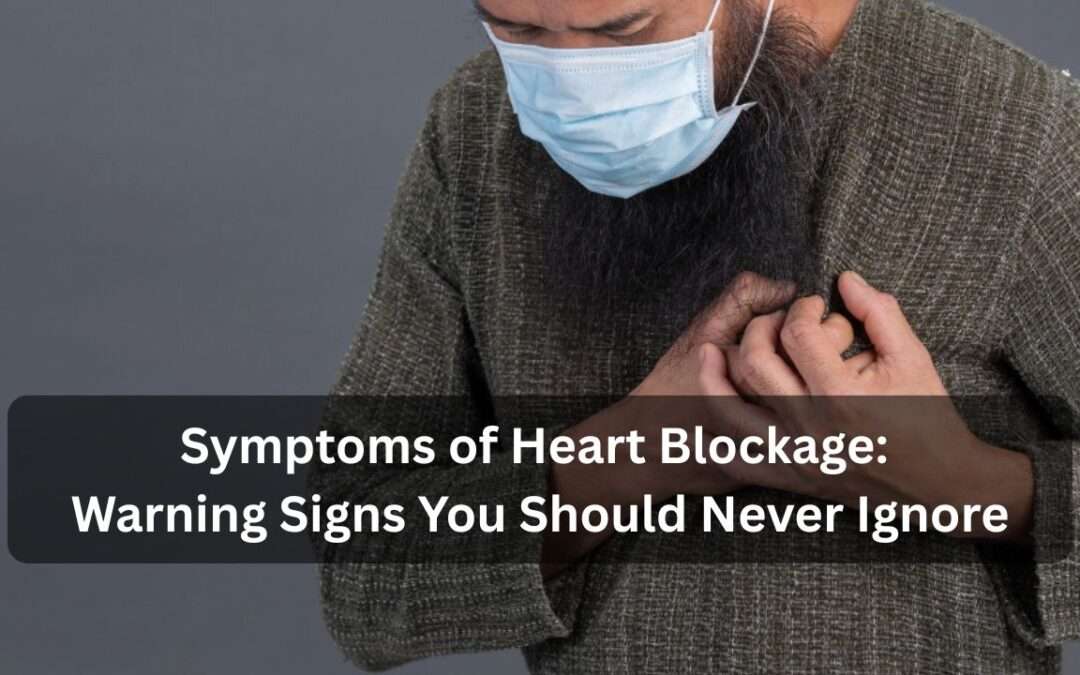
Heart disease is often referred to as a silent killer, with heart blockage being one of its most dangerous forms. In its early stages, it may not present dramatic symptoms. However, recognising the symptoms of heart blockage early on can make a crucial difference between life and death.
At the Cardiology and Vascular Care Center in Port Charlotte, we emphasise the importance of awareness and timely diagnosis. This comprehensive guide will help you identify the most common warning signs of heart blockage, explain when to seek immediate medical attention, and outline essential lifestyle changes that can help prevent severe complications.
What Exactly Is Heart Blockage?
Heart blockage, medically termed coronary artery disease (CAD), refers to the narrowing or complete obstruction of the coronary arteries. These vital arteries are indispensable for delivering oxygen-rich blood to your heart muscle. The predominant cause of this obstruction is the gradual buildup of plaque – a complex mixture of cholesterol, fatty substances, cellular waste products, calcium, and fibrin – on the inner walls of the arteries. This insidious process, known as atherosclerosis, leads to the hardening and narrowing of arteries, thereby diminishing their elasticity and impeding optimal blood flow.
The Type of Heart Blockage
Partial Blockage
In this scenario, the arteries are narrowed but not entirely occluded. While blood flow is reduced, severe symptoms of heart blockage might not be evident at rest. However, physical exertion or emotional stress can trigger symptoms as the heart’s demand for oxygenated blood surpasses the supply from the narrowed arteries.
Complete Blockage
This represents a critical medical emergency where an artery is entirely obstructed, frequently culminating in a heart attack (myocardial infarction). A full blockage necessitates immediate intervention to restore blood flow and minimise damage to the heart muscle.
Chronic Total Occlusion (CTO)
This refers to a complete blockage that has persisted for an extended duration, typically three months or longer. CTOs are inherently challenging to treat and often demand specialised interventional procedures.
Microvascular Angina
In some cases, the larger coronary arteries may appear normal, but the problem lies in the tiny blood vessels that branch off from them. Dysfunction in these smaller vessels can also restrict blood flow to the heart muscle, resulting in symptoms similar to those of heart blockage.
Understanding these different types of blockages is essential for recognising the various symptoms of heart blockage and the importance of timely treatment.
Symptoms of Heart Blockage: Critical Warning Signs
It’s a misconception that intense chest pain is the sole or initial symptom of heart blockage. Many experience subtle signs developing gradually, often dismissed. Recognising these early warnings is crucial for timely diagnosis.
Here’s a detailed look at key symptoms of heart blockage:
1. Chest Pain or Discomfort (Angina)
The most known symptom of heart blockage, angina, presents as pressure, squeezing, fullness, or burning in the chest, sometimes radiating. Often triggered by exertion or stress, it usually subsides with rest. Persistent or severe chest pain at rest can signal a heart attack, demanding immediate attention.
2. Shortness of Breath (Dyspnea)
Feeling breathless during minimal activity is a significant symptom of heart blockage. It indicates your heart struggles to pump enough oxygenated blood. Shortness of breath can also occur at rest, waking you from sleep, often due to inefficient heart pumping.
3. Fatigue and Weakness
Unexplained, persistent fatigue that does not improve with rest is a common but often overlooked symptom of heart blockage. Reduced oxygen supply to muscles and organs due to inadequate blood flow can lead to exhaustion and weakness, which may seem disproportionate to the level of activity.
4. Heart Palpitations or Irregular Heartbeats
Frequent sensations of your heart racing, fluttering, or skipping beats are concerning, especially with other symptoms of heart blockage. These can indicate the heart struggling to maintain rhythm due to compromised blood flow.
5. Dizziness or Lightheadedness
Insufficient oxygen-rich blood to the brain can cause dizziness or faintness, a symptom of heart blockage. This can result from a drop in blood pressure or poor heart pumping efficiency, potentially leading to fainting (syncope) in severe cases.
6. Pain in the Arms, Jaw, Neck, Back, or Stomach (Referred Pain)
Heart-related pain doesn’t always stay in the chest; it can radiate. This “referred pain” is often dismissed:
- Arms: Pain, numbness, or tingling, usually in the left arm, but can affect both.
- Jaw: Aching or tightness, often mistaken for dental issues.
- Neck: A feeling of tightness or choking.
- Back: Upper back pain, especially between the shoulder blades (common in women).
- Stomach: Discomfort, mistaken for indigestion, heartburn, or severe pain, often with nausea/vomiting. Women may experience more atypical symptoms of heart blockage, like these. Do not ignore sudden or accompanied referred pains.
7. Cold Sweats and Nausea
Sudden, unexplained cold sweats, often with nausea or vomiting, can indicate a cardiac event like a heart attack. These are the body’s stress response. If experienced without a clear reason, especially with chest discomfort, seek emergency help.
Silent Heart Blockage: The Unseen Peril
One of the most concerning aspects of heart blockage is “silent ischemia,” where blockages occur without the typical symptoms, such as chest pain. This condition is particularly common in individuals with diabetes, due to nerve damage that affects pain perception, as well as in older adults. Unfortunately, these patients face a significantly increased risk of sudden heart attacks without any warning signs.
The lack of symptoms associated with heart blockage highlights the importance of regular check-ups, thorough medical history evaluations, and diagnostic tests for these high-risk groups. Early detection through stress tests, EKGs, or advanced imaging studies can help identify silent blockages before they develop into life-threatening situations.
When to Consult a Heart Specialist (Cardiologist)
If you are experiencing two or more of the aforementioned symptoms of heart blockage, especially if they are new, worsening, or occur at rest, do not delay. It is imperative to visit a cardiologist in Port Charlotte or your nearest heart specialist immediately. Early diagnosis and intervention are paramount to preventing severe and potentially life-threatening complications, including:
Heart Attack (Myocardial Infarction)
Occurs when blood flow to a segment of the heart muscle is completely blocked, leading to tissue necrosis.
Arrhythmia
Irregular heart rhythms that can range from benign to life-threatening, impairing the heart’s ability to pump blood effectively.
Sudden Cardiac Arrest
An abrupt cessation of heart function, breathing, and consciousness, typically resulting from an electrical disturbance in the heart that disrupts its pumping action. It is a medical emergency demanding immediate treatment.
Stroke
May occur if a blood clot forms in a diseased artery of the heart, dislodges, and travels to the brain, obstructing blood flow.
Heart Failure
A chronic condition where the heart muscle becomes too weak or stiff to pump sufficient blood to meet the body’s demands.
Remember, when it pertains to heart health, time is muscle. The sooner a blockage is identified and addressed, the more favourable the outcome and the less extent of damage to the heart.
Heart Blockage Prevention: Habits, Diet, and Early Warning Signs
While genetic predispositions can play a role, numerous risk factors for heart blockage are modifiable through judicious lifestyle choices. Understanding and actively addressing these factors are vital for effective prevention.
Common Modifiable Risk Factors Contributing to Symptoms of Heart Blockage Include
Smoking
A leading risk factor that damages blood vessels, promotes plaque accumulation, and elevates the risk of blood clots.
High Blood Pressure (Hypertension)
Damages arterial walls, rendering them more susceptible to plaque formation.
High Cholesterol (Dyslipidemia)
Elevated levels of LDL (“bad”) cholesterol directly contribute to plaque buildup.
Diabetes (Type 1 and Type 2)
High blood sugar levels damage blood vessels and accelerate atherosclerosis.
Sedentary Lifestyle
Lack of physical activity contributes to obesity, high blood pressure, and high cholesterol.
Obesity
Increases the risk of high blood pressure, high cholesterol, and diabetes.
Unhealthy Diet
Diets rich in saturated and trans fats, cholesterol, sodium, and refined sugars contribute to plaque formation and exacerbate other risk factors.
Chronic Stress
Can contribute to elevated blood pressure and unhealthy coping mechanisms.
Excessive Alcohol Consumption
It can elevate blood pressure and contribute to heart muscle damage.
Non-modifiable Risk Factors for Symptoms of Heart Blockage Include:
Age
The risk of heart blockage progressively increases with age.
Gender
Men typically develop heart disease earlier than women, though women’s risk escalates significantly after menopause.
Family History
A robust family history of early heart disease (e.g., father or brother diagnosed before age 55, mother or sister before age 65) heightens your risk.
Prevention Tips: Taking Proactive Control of Your Heart Health
Adopting a heart-healthy lifestyle is the most potent strategy to prevent heart blockage and its associated complications.
Adopt a Heart-Healthy Diet
- Focus on whole, unprocessed foods: Emphasise fruits, vegetables, whole grains, and lean proteins (fish, poultry, beans, lentils).
- Limit saturated and trans fats: Minimise consumption of red meat, full-fat dairy, fried foods, and many processed snacks.
- Reduce sodium intake: High sodium levels contribute to high blood pressure.
- Choose healthy fats: Incorporate avocados, nuts, seeds, and olive oil.
- Limit added sugars: Restrict intake from sodas, candies, and pastries.
Exercise Regularly
Aim for a minimum of 150 minutes of moderate-intensity aerobic activity or 75 minutes of vigorous-intensity aerobic activity per week, complemented by muscle-strengthening activities twice a week. Even brisk walking can yield substantial benefits.
Quit Smoking
This is unequivocally the single most impactful step you can take to enhance your heart health. Quitting smoking immediately begins to reduce your risk of developing symptoms of heart blockage.
Manage Stress
Chronic stress can detrimentally impact heart health. Integrate stress-reducing techniques such as meditation, yoga, deep breathing exercises, spending time in nature, or engaging in fulfilling hobbies.
Maintain a Healthy Weight
Losing even a modest amount of weight can significantly ameliorate your risk factors.
Get Regular Health Screenings
- Blood Pressure Checks: Consistent monitoring helps in detecting and managing hypertension.
- Cholesterol Tests: Lipid panel assessments ensure healthy cholesterol levels.
- Blood Sugar Tests: Particularly crucial for individuals at risk of diabetes.
- Consult your doctor: Discuss your personal risk factors and recommended screening schedule.
Limit Alcohol Consumption
If you consume alcohol, do so in moderation (up to one drink per day for women and up to two drinks per day for men).
Conclusion
Ignoring the early symptoms of heart blockage can lead to serious consequences. Heart disease is a progressive condition, and recognising warning signs early allows for timely intervention, which can improve outcomes and prevent irreversible damage to the heart.
If you or a loved one experiences concerning signs such as chest discomfort, fatigue, shortness of breath, dizziness, or unusual pain in the arms, jaw, neck, back, or stomach, don’t hesitate to seek medical evaluation from a heart specialist.
At the Cardiology and Vascular Care Center (CVCC) in Port Charlotte, we are dedicated to providing expert diagnoses and personalised treatment. When it comes to your heart, taking action early can save lives. Prioritise your well-being—your heart deserves it.
Frequently Asked Questions (FAQs)
1. What Are the Primary Symptoms of Heart Blockage I Should Watch For?
Key symptoms of heart blockage include chest pain (angina), shortness of breath, unexplained fatigue, heart palpitations, and dizziness. Referred pain in the arms, jaw, neck, back, or stomach, and cold sweats/nausea are also crucial warning signs.
2. Can Heart Blockage Occur Without Noticeable Symptoms (Silent Ischemia)?
Yes, “silent heart blockage” (silent ischemia) can occur, especially in diabetics or older adults, without typical pain. Regular check-ups are vital for early detection, as these individuals face a higher risk of sudden cardiac events.
3. When Should I Seek Medical Attention for Potential Heart Blockage Signs?
If you experience two or more symptoms of heart blockage, particularly if new, worsening, or at rest, seek immediate medical evaluation from a heart specialist. Early diagnosis and intervention are critical.
4. How Is Heart Blockage Typically Diagnosed by a Cardiologist?
Diagnosis involves medical history, physical exam, ECG, blood tests, stress tests, echocardiogram, and potentially a coronary angiogram (gold standard) or CT angiography.
5. Are Lifestyle Changes Truly Effective in Preventing or Managing Symptoms of Heart Blockage?
Absolutely. Adopting a heart-healthy diet, regular exercise, maintaining a healthy weight, quitting smoking, and managing stress are powerful tools to prevent, slow the progression, and manage symptoms of heart blockage.
6. What Are the Main Treatment Options for Diagnosed Heart Blockage?
Treatment options include lifestyle changes, medications, minimally invasive procedures like angioplasty with stenting, or coronary artery bypass graft (CABG) surgery, depending on severity. Your cardiologist will recommend the best approach.