
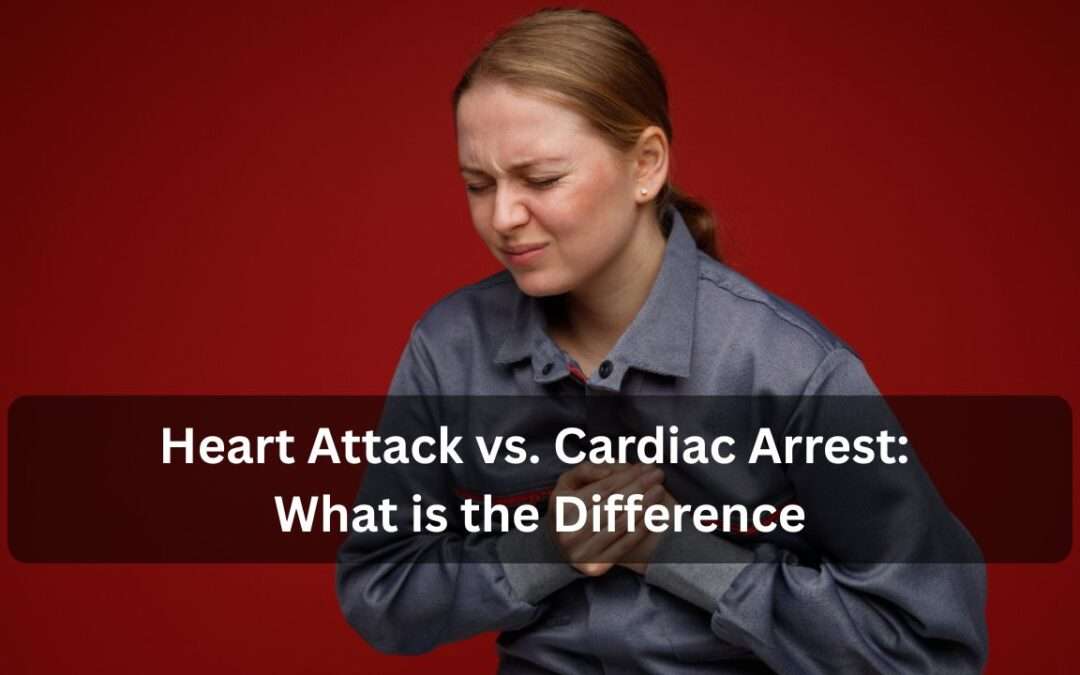
The human heart is an impressive example of nature’s engineering, serving as a powerful pump that circulates blood and oxygen throughout the body. Despite its resilience, the heart is susceptible to acute conditions that can threaten its function, notably heart attacks and cardiac arrests.
These two terms are often confused, but they represent distinct medical emergencies with different causes, symptoms, and responses. At Cardiovascular Care, we believe that understanding these differences can empower individuals and communities to take life-saving actions.
This guide will clarify what sets heart attacks apart from cardiac arrests, outline key risk factors, and emphasise the importance of prevention and quick, informed responses. Let’s explore how to protect your heart health today and every day moving forward.
What is a Heart Attack?
Imagine your heart as a carefully designed house, with its plumbing system—the coronary arteries—serving as the essential pipes that deliver water (oxygen-rich blood) to its vital rooms (heart muscle cells). A heart attack, medically known as a myocardial infarction (MI), is primarily a “circulation problem.” It occurs when blood flow to a specific section of the heart muscle is significantly reduced or completely blocked.
The most common cause of this blockage is the gradual buildup of plaque, a sticky, fatty substance, within the coronary arteries. This process, known as atherosclerosis, narrows the arteries over time. If a plaque ruptures, a blood clot can form at that site, further obstructing the artery. This sudden blockage cuts off the essential blood supply to the downstream heart muscle. Without oxygen, the affected heart cells begin to die. The longer the blockage persists, the more extensive and irreversible the damage to the heart muscle becomes. This damage can permanently weaken the heart’s pumping ability, leading to serious long-term complications such as heart failure, dangerous arrhythmias (irregular heartbeats), or, in severe cases, sudden cardiac arrest.
Recognising Heart Attack Symptoms
Recognising the warning signs of a heart attack and acting swiftly is paramount, as every minute counts in minimising heart damage and improving recovery. While symptoms can vary, sometimes subtly, common indicators include:
- Chest Discomfort: This is the most frequent symptom. It often feels like pressure, tightness, squeezing, fullness, or a dull ache in the centre of your chest. It may last for more than a few minutes, or go away and come back.
- Pain in Other Areas of the Upper Body: Discomfort can radiate to one or both arms (especially the left arm), the back, neck, jaw, or even the stomach.
- Shortness of Breath: This can occur with or without chest discomfort and may feel like you can’t get enough air.
- Other Potential Signs: Cold sweat, nausea, vomiting, lightheadedness, sudden dizziness, or unusual, unexplained fatigue (especially common in women).
It’s crucial to understand that women, older adults, and individuals with diabetes may experience atypical symptoms, sometimes without the classic chest pain. They might report overwhelming fatigue, indigestion-like pain, or discomfort in the back or jaw. If you experience any of these symptoms, particularly if they are sudden, severe, or Early, intervention by specialists at a leading facility like Cardiovascular Care can make all the difference.
What is Cardiac Arrest?
In stark contrast to a heart attack, cardiac arrest is primarily an “electrical problem.” It is the sudden and unexpected cessation of the heart’s effective pumping action. This catastrophic event occurs when the heart’s intricate electrical system, which precisely coordinates its beats, malfunctions severely. Instead of beating in a coordinated, life-sustaining rhythm, the ventricles (the heart’s main pumping chambers) may begin to quiver uselessly (a condition known as ventricular fibrillation) or simply stop beating altogether (asystole).
When the heart abruptly stops pumping, blood flow to the brain and all other vital organs ceases immediately. This is an absolute medical emergency. The individual experiencing cardiac arrest will suddenly collapse, lose consciousness, and stop breathing normally. Without immediate and precise intervention, irreversible brain damage and death can occur within minutes.
Common Causes of Cardiac Arrest
While sudden cardiac arrest can strike without obvious warning, it is often a devastating consequence of underlying heart conditions or severe acute events. These include:
- Coronary Artery Disease (CAD): This is the most common underlying cause, especially if it has led to significant scarring or damage from a previous heart attack, creating “hot spots” for electrical instability.
- Cardiomyopathy: Diseases that cause the heart muscle to become abnormally enlarged, thickened, or rigid, disrupting its electrical pathways.
- Severe Arrhythmias: Life-threatening rhythm disturbances like ventricular fibrillation or ventricular tachycardia are direct causes of cardiac arrest.
- Genetic Heart Conditions: Inherited disorders affecting the heart’s electrical channels (channelopathies) or structural abnormalities can predispose individuals to sudden arrest.
- Electrolyte Imbalances: Critically high or low levels of essential minerals like potassium or magnesium can destabilise the heart’s electrical rhythm.
- Acute Events: Major trauma, severe bleeding, electric shock, or drug overdose can also trigger cardiac arrest.
It is crucial to understand that while a heart attack can trigger cardiac arrest (if the heart muscle damage causes a severe electrical disturbance), not every heart attack leads to cardiac arrest, and not every cardiac arrest is caused by a heart attack.
Spotting Cardiac Arrest: Immediate Signs
The signs of cardiac arrest are dramatic and undeniable, demanding immediate, life-saving action:
- Sudden Collapse: The person abruptly falls to the ground.
- Loss of Consciousness: They become unresponsive and cannot be roused.
- Absence of Normal Breathing: They may gasp or make gasping sounds for a few moments, but then stop breathing normally or entirely.
- No Pulse: There is no detectable pulse.
In these dire situations, every single second is critical for survival. Immediate CPR (cardiopulmonary resuscitation) and prompt defibrillation (delivering an electric shock to reset the heart’s rhythm using an AED) are essential.
Heart Attack vs. Cardiac Arrest: Key Differences at a Glance
Understanding the fundamental distinctions between these two critical cardiac emergencies is paramount for an appropriate and effective response. This table provides a quick, clear comparison:
Feature | Heart Attack (Myocardial Infarction) | Cardiac Arrest (Sudden Cardiac Arrest – SCA) |
| Primary Problem | Circulation Problem: Blocked blood flow to part of the heart muscle. | Electrical Problem: Malfunction in the heart’s electrical system. |
| Mechanism | A blockage (usually a blood clot) in a coronary artery causes heart muscle damage/death. | The heart stops pumping effectively due to electrical chaos (e.g., ventricular fibrillation). |
| Consciousness | A person is usually awake and conscious, though feeling unwell. | The person immediately loses consciousness. |
| Breathing | A person is typically still breathing, though they may experience shortness of breath. | A person stops breathing normally (may gasp, then nothing). |
| Pulse | Pulse is usually present, though it may be weak or irregular. | No pulse. |
| Progression | Symptoms often develop gradually over minutes to hours. | Sudden, immediate collapse, with no prior warning signs related to the arrest itself. |
| Relationship | A heart attack can cause cardiac arrest. | Cardiac arrest is a standalone event but can be triggered by a heart attack or other heart conditions. |
Prevention & Risk Management for Safeguarding Your Heart Health
While heart attacks and cardiac arrests present differently, they often share common underlying risk factors. The empowering news is that many of these factors are highly preventable or effectively manageable through proactive lifestyle choices and expert medical care. At Cardiovascular Care, we are deeply committed to helping you understand and mitigate your risks, championing your journey towards lifelong cardiovascular wellness.
Understanding Your Personal Risk Factors
The first step in prevention is to know your risk profile. Key risk factors for both heart attack and cardiac arrest include:
High Blood Pressure (Hypertension)
Often called the “silent killer,” it damages arteries over time. Regular monitoring and expert management are crucial.
High Cholesterol (Dyslipidemia)
High levels of LDL (“bad”) cholesterol contribute significantly to plaque buildup (atherosclerosis) in your arteries.
Diabetes (Type 1 & 2)
Uncontrolled blood sugar levels severely damage blood vessels and nerves, dramatically increasing heart disease risk.
Obesity and Overweight
Excess body weight places increased strain on your heart and is closely linked to other metabolic risk factors.
Smoking (and Secondhand Smoke Exposure)
Tobacco use is one of the most destructive and preventable causes of heart disease, severely damaging blood vessels and promoting clot formation.
Family History
A strong family history of early heart disease or sudden cardiac death indicates a genetic predisposition that warrants closer monitoring and proactive screening.
Age and Gender
Risk generally increases with age. While men tend to experience heart attacks at younger ages, women’s risk significantly increases after menopause.
Chronic Stress
Prolonged and unmanaged stress can contribute to high blood pressure, unhealthy eating habits, and other detrimental lifestyle choices.
Embracing a Heart-Healthy Lifestyle
Lifestyle modifications are the bedrock of cardiovascular disease prevention. At Cardiovascular Care, we guide you towards:
Balanced Nutrition
Adopt a heart-healthy eating plan rich in fruits, vegetables, whole grains, lean proteins, and healthy fats (such as the renowned Mediterranean or DASH diet). Limit saturated and trans fats, excessive sodium, and added sugars.
Regular Physical Activity
Aim for at least 150 minutes of moderate-intensity aerobic exercise or 75 minutes of vigorous-intensity exercise per week. Regular activity strengthens your heart, helps manage weight, improves cholesterol levels, and lowers blood pressure.
Maintain a Healthy Weight
Achieving and maintaining a healthy body weight significantly reduces the strain on your heart and improves overall metabolic health.
Quit Smoking
If you smoke, quitting is the single most impactful step you can take to dramatically reduce your risk of heart attack and cardiac arrest. Cardiovascular Care offers dedicated resources and support to help you on this vital journey.
Manage Stress Effectively
Incorporate stress-reducing techniques such as meditation, yoga, mindfulness, engaging in hobbies, or spending quality time in nature into your daily routine. Prioritize adequate sleep.
Moderate Alcohol Consumption
If you consume alcohol, do so in moderation, as excessive intake can harm your heart.
The Importance of Regular Heart Check-ups
Even if you feel perfectly healthy, regular check-ups with your physician are essential. These appointments allow for routine monitoring of your blood pressure, cholesterol, blood sugar, and overall cardiovascular health. Early detection and expert management of risk factors are key to preventing them from escalating into serious conditions. Your doctor may recommend specific screenings or diagnostic tests based on your risk profile.
Conclusion
Understanding the critical differences between a heart attack and cardiac arrest empowers you to act decisively in an emergency. At Cardiovascular Care, we are dedicated to providing expert diagnostics, comprehensive prevention strategies, and advanced care for all cardiac concerns. Don’t wait; take proactive steps for your heart today. Contact us to schedule your consultation and secure your heart’s future.
Frequently Asked Questions (FAQs)
1. Can a Heart Attack Lead to Cardiac Arrest?
Yes, a severe heart attack can damage the heart’s electrical system, triggering life-threatening arrhythmias that result in cardiac arrest.
2. Is Chest Pain Always a Sign of a Heart Attack?
While common, chest pain isn’t always a heart attack. However, never ignore severe, new, or persistent chest pain, especially with other symptoms like shortness of breath; seek immediate medical attention.
3. What’s the Most Important Action if Someone Collapses Unresponsive?
If someone collapses, is unresponsive, and not breathing normally, immediately call emergency services (e.g., 108/911) and start chest compressions (CPR). Use an AED if available.
4. Can Heart Attacks and Cardiac Arrest Be Prevented?
Many risk factors for both are manageable through a heart-healthy lifestyle and regular check-ups. Cardiovascular Care can help you develop a personalized prevention plan.