
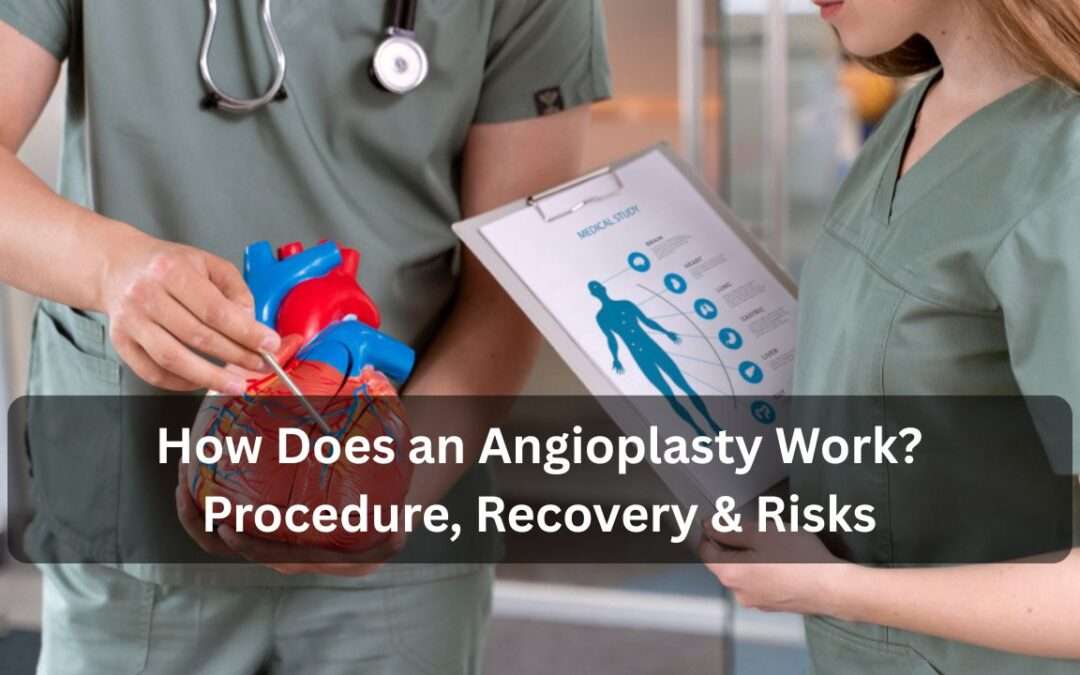
Understanding medical procedures can often feel overwhelming, especially when it concerns your heart health. If you or a loved one has been diagnosed with a condition requiring an angioplasty, you likely have many questions. At Cardiology and Vascular Care Center, we believe in empowering our patients with clear, comprehensive information. This blog post will demystify angioplasty, explaining exactly what it is, why it’s performed, and how this vital procedure works to restore your heart’s health.
What Is Angioplasty?
Angioplasty, more formally known as percutaneous coronary intervention (PCI), is a minimally invasive medical procedure used to open narrowed or blocked arteries, typically in the heart. These blockages, often caused by the buildup of plaque (a condition called atherosclerosis), can restrict blood flow, leading to symptoms like chest pain (angina) or even a heart attack. Angioplasty helps to restore proper blood flow to the heart muscle, alleviating symptoms and improving cardiac function.
Why Is Angioplasty Done?
The primary reason angioplasty is performed is to improve blood flow to the heart muscle when arteries become significantly narrowed or blocked. Your doctor might recommend an angioplasty if you experience:
Angina (Chest Pain)
Persistent or worsening chest pain that indicates reduced blood flow to your heart.
Heart Attack
During a heart attack, an angioplasty is often performed urgently to quickly open the blocked artery and minimise damage to the heart muscle.
Positive Stress Test Results
If diagnostic tests reveal significant blockages that could lead to future heart problems.
Types of Angioplasty
While the core principle remains the same, angioplasty can be performed using slightly different techniques:
Balloon Angioplasty
This is the most basic form, where a small balloon at the tip of a catheter is inflated to compress the plaque against the artery walls, widening the vessel.
Angioplasty with Stent Placement
This is the most common type. After the artery is widened with a balloon, a small, expandable mesh tube called a stent is deployed. The stent acts as a scaffold to keep the artery open and prevent it from narrowing again. Stents can be:
- Bare-Metal Stents (BMS): Bare metal stents are simple metal stents.
- Drug-Eluting Stents (DES): Stents coated with medication that slowly releases into the artery wall to prevent scar tissue formation and re-narrowing.
Atherectomy
In some cases, a specialised catheter with a tiny blade or laser is used to remove plaque buildup before or during the balloon inflation.
How Does the Angioplasty Procedure Work?
Understanding the step-by-step process can help ease any anxieties you may have. Angioplasty is typically performed in a hospital’s cardiac catheterisation laboratory (“cath lab”).
Preparation
- You’ll be asked to lie on a procedure table.
- An IV will be inserted into your arm to administer fluids and medication.
- You’ll receive a local anaesthetic at the access site (usually the wrist or groin) to numb the area. You’ll likely also be given a mild sedative to help you relax, but you’ll remain awake during the procedure.
Catheter Insertion
- A small incision is made at the access site.
- A thin, flexible tube called a catheter is carefully inserted into an artery (radial artery in the wrist or femoral artery in the groin).
- Using X-ray guidance (fluoroscopy) and a special dye, the cardiologist meticulously guides the catheter through your blood vessels to the coronary arteries in your heart.
Identifying the Blockage
- Once the catheter reaches the coronary arteries, a small amount of contrast dye is injected. This dye makes the arteries visible on the X-ray monitor, allowing the cardiologist to pinpoint the exact location and severity of the blockage. This part of the procedure is called a coronary angiogram.
Balloon Inflation and Stent Placement (if applicable)
- A guidewire is threaded through the catheter and past the blockage.
- A balloon-tipped catheter is then advanced over the guidewire to the narrowed section of the artery.
- The balloon is gently inflated for a short period, compressing the plaque against the artery walls and widening the vessel. You might feel a brief, mild chest discomfort during this inflation.
- If a stent is being used, it’s typically pre-mounted on the balloon catheter. When the balloon is inflated, the stent expands and presses against the artery walls, becoming permanently implanted to keep the artery open.
Removal and Closure
- Once the artery is successfully widened and the stent (if used) is in place, the balloon catheter and guidewire are carefully withdrawn.
- The catheter is removed from the access site. Pressure is applied to the incision to stop any bleeding, or a special closure device may be used.
How Long Does Angioplasty Take?
The angioplasty procedure itself typically takes 30 minutes to 2 hours, depending on the complexity of the blockage and whether multiple arteries need to be treated. However, you’ll need to account for preparation time before the procedure and observation time afterwards, so your total hospital stay for the procedure might be several hours to overnight.
Is Angioplasty Painful?
During the procedure, you’ll receive a local anaesthetic at the access site, so you shouldn’t feel pain during the catheter insertion. You might feel some pressure. When the balloon is inflated, some patients report a brief sensation of mild chest pressure or discomfort, similar to their angina, but this usually subsides quickly. Most patients tolerate the procedure very well with the aid of sedatives.
What Happens After Angioplasty?
After your angioplasty, you’ll be moved to a recovery area for close monitoring.
Monitoring
Nurses will regularly check your vital signs, the access site for bleeding, and your heart rhythm.
Bed Rest
You’ll need to lie flat for several hours to allow the access site to heal and prevent bleeding. The duration depends on the access site (wrist vs. groin) and whether a closure device was used.
Hydration
You’ll be encouraged to drink plenty of fluids to help flush the contrast dye from your system.
Medication
You will be prescribed antiplatelet medications (like aspirin and often a second agent) to prevent blood clots from forming on the stent. It is crucial to take these medications exactly as prescribed.
Most patients are discharged from the hospital within 24 hours after an uncomplicated angioplasty.
Risks and Complications of Angioplasty
While angioplasty is generally safe and effective, like any medical procedure, it carries some potential risks, though serious complications are rare. These can include:
- Bleeding or bruising at the access site.
- Damage to the artery.
- Allergic reaction to the contrast dye.
- Kidney problems (rare, usually temporary).
- Arrhythmias (irregular heartbeats).
- Heart attack or stroke (very rare).
- Re-narrowing of the artery (restenosis), though less common with stent placement, especially with drug-eluting stents.
- Stent thrombosis (blood clot formation within the stent), a serious but rare complication that emphasises the importance of medication adherence.
Your medical team will discuss these risks with you thoroughly before the procedure.
Recovery and Aftercare Tips
A smooth recovery is vital for long-term heart health. Here are some essential aftercare tips:
Follow Medication Instructions
Take all prescribed medications, especially antiplatelet drugs, exactly as directed by your doctor. Do not stop them without consulting your cardiologist.
Care for the Access Site
Keep the access site clean and dry. Avoid strenuous activities, heavy lifting, or soaking the site for a few days as advised by your nurse.
Stay Hydrated
Continue to drink plenty of fluids.
Gradual Return to Activity
Your doctor will provide specific guidelines on when you can resume normal activities, including work and exercise.
Healthy Lifestyle
Embrace heart-healthy habits, including a balanced diet, regular exercise (as cleared by your doctor), maintaining a healthy weight, and quitting smoking.
Cardiac Rehabilitation
Your doctor may recommend a cardiac rehabilitation program, which can significantly aid your recovery and overall heart health through supervised exercise and education.
Follow-up Appointments
Attend all scheduled follow-up appointments with your cardiologist.
Conclusion
Angioplasty is a life-saving and highly effective procedure that has helped countless individuals regain their heart health. By understanding how angioplasty works, what to expect, and how to care for yourself afterwards, you can approach the procedure with confidence and play an active role in your recovery journey. At Cardiology and Vascular Care Center, your heart health is our priority, and our dedicated team is here to support you every step of the way.
FAQs
1. How Long Will I Need to Take Blood Thinners After Angioplasty?
The duration of antiplatelet medication varies depending on the type of stent used and your risk factors. Your cardiologist will provide a specific timeline, but it can range from several months to a year or even longer.
2. Will I Feel the Stent Inside My Body?
No, once the stent is in place, you will not feel it. It becomes integrated into the artery wall.
3. Can an Artery Get Blocked Again After Angioplasty?
While angioplasty, especially with a stent, significantly reduces the risk of re-narrowing (restenosis), it’s still possible. Adhering to your medications, adopting a heart-healthy lifestyle, and managing risk factors like high blood pressure and cholesterol are crucial to preventing future blockages.
4. What Are the Signs I Should Watch Out for After Angioplasty?
Contact your doctor immediately if you experience severe pain, swelling, redness, or discharge at the access site, fever, chest pain, shortness of breath, or any other concerning symptoms.
5. Is Angioplasty a Cure for Heart Disease?
Angioplasty effectively treats the blocked artery and improves blood flow, but it’s not a “cure” for underlying heart disease (atherosclerosis). It’s a vital intervention that, when combined with lifestyle changes and medication, helps manage the condition and prevent future cardiac events.