
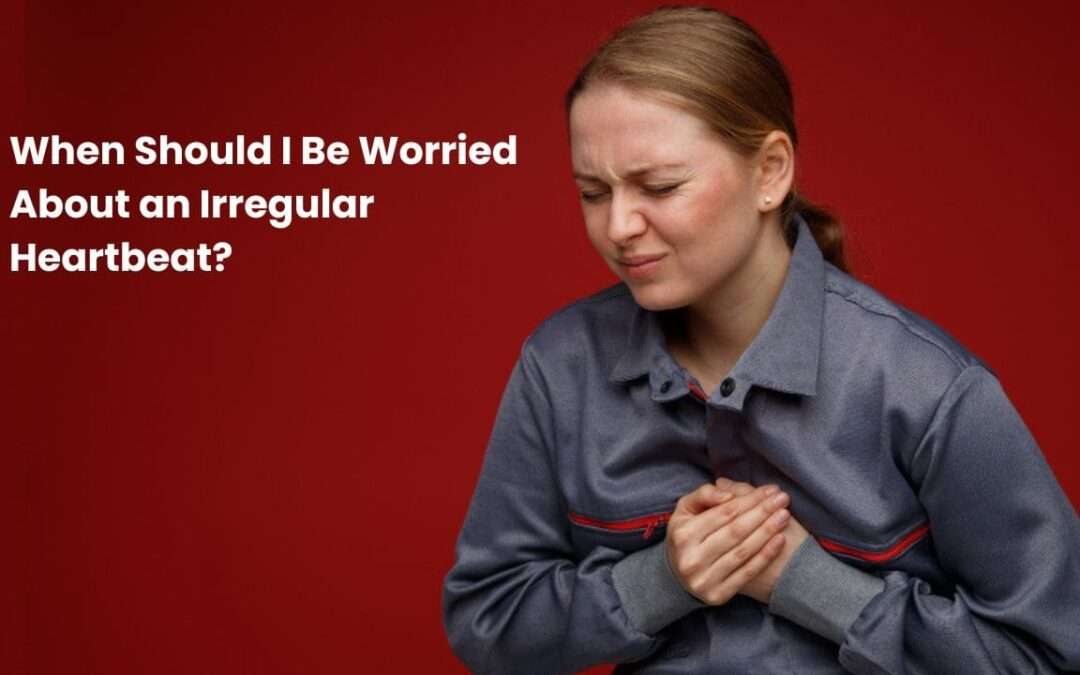
An irregular heartbeat can be unsettling. One moment your heart feels normal, and the next it may flutter, race, skip, or pound without warning. For many people, these sensations often called palpitations, are harmless and temporary. But in other cases, an irregular heartbeat may signal a serious underlying heart condition that requires prompt medical attention.
So how do you know when to brush it off and when to worry?
In this in-depth guide, we’ll break down exactly when an irregular heartbeat is normal, when it’s a red flag, and what steps you should take to protect your heart health. This article is written from a cardiology perspective to help patients make informed, confident decisions about their heart.
What Is an Irregular Heartbeat?
An irregular heartbeat, medically known as an arrhythmia, occurs when the electrical signals that control your heart’s rhythm don’t function properly. This can cause the heart to beat too fast, too slow, or unevenly.
A normal adult heart typically beats between 60 and 100 times per minute at rest, maintaining a steady rhythm. When this rhythm is disrupted, you may feel sensations such as fluttering, skipping, pounding, or racing in your chest.
Not all irregular heartbeats are dangerous. In fact, many healthy individuals experience occasional irregular beats due to stress, caffeine, dehydration, or lack of sleep. These usually resolve on their own and don’t require treatment.
However, some arrhythmias can interfere with the heart’s ability to pump blood effectively. When this happens, vital organs including the brain may not receive enough oxygen-rich blood. This is when an irregular heartbeat becomes more than just uncomfortable it becomes a medical concern.
Understanding what’s normal and what’s not is the first step toward protecting your heart.
What Does an Irregular Heartbeat Feel Like?
Irregular heartbeats can feel different from person to person. Some people notice them immediately, while others may not feel anything at all.
Common sensations include:
- A fluttering or quivering feeling in the chest
- Skipped or missed beats
- A pounding or thumping sensation
- A racing heartbeat
- A heartbeat that feels unusually slow
In some cases, these sensations are accompanied by other symptoms such as dizziness, shortness of breath, fatigue, or chest discomfort.
It’s important to pay attention not just to how your heartbeat feels but also to how long it lasts, how often it occurs, and whether other symptoms are present. A brief flutter after drinking coffee is very different from persistent palpitations that occur at rest or wake you from sleep.
Your body often gives subtle clues when something isn’t right. Learning to recognize these signs can help you seek care before a serious problem develops.
Common Causes of an Irregular Heartbeat
Irregular heartbeats can be triggered by a wide range of factors, some harmless, others more serious.
Benign (Non-Serious) Causes
- Stress or anxiety
- Caffeine or energy drinks
- Dehydration
- Nicotine use
- Poor sleep
- Exercise or physical exertion
- Certain medications
These causes often lead to temporary palpitations that improve once the trigger is removed.
Medical Causes That Need Evaluation
- High blood pressure
- Coronary artery disease
- Heart valve disorders
- Heart muscle disease (cardiomyopathy)
- Thyroid disorders
- Electrolyte imbalances
- Sleep apnea
In these cases, irregular heartbeats may be a sign of an underlying heart condition that requires professional care.
This is why cardiologists emphasize pattern recognition, how often symptoms occur, what triggers them, and whether they worsen over time.
When an Irregular Heartbeat Is Usually Not Serious
Not every irregular heartbeat means something is wrong with your heart.
In general, an irregular heartbeat is usually not serious if:
- It happens occasionally
- It lasts only a few seconds
- It occurs after caffeine, stress, or exercise
- It resolves on its own
- There are no additional symptoms
Many people experience brief palpitations during stressful moments or after consuming stimulants. These are typically caused by harmless premature heartbeats and don’t require treatment.
Young, healthy individuals with no history of heart disease often experience these sensations at some point in their lives.
However, even if symptoms seem mild, recurring episodes should still be discussed with a cardiologist, especially if they begin happening more frequently or without an obvious trigger.
When You Should Be Worried About an Irregular Heartbeat
An irregular heartbeat becomes concerning when it’s persistent, worsening, or accompanied by other symptoms.
You should be worried if your irregular heartbeat is associated with:
- Chest pain or pressure
- Shortness of breath
- Dizziness or lightheadedness
- Fainting or near-fainting
- Extreme fatigue
- Confusion or weakness
Additionally, seek medical evaluation if your heartbeat:
- Occurs frequently or daily
- Lasts several minutes or longer
- Happens at rest or during sleep
- Feels much faster or slower than usual
- Is it new or different from previous episodes
These symptoms may indicate a serious arrhythmia that affects blood flow and oxygen delivery throughout the body.
Conditions such as atrial fibrillation, ventricular arrhythmias, or heart block can significantly increase the risk of stroke, heart failure, or sudden cardiac events if left untreated.
Early diagnosis is critical. The sooner a heart rhythm problem is identified, the more treatment options are available and the better the long-term outcomes.
Who Is at Higher Risk for Dangerous Arrhythmias?
Certain individuals are more likely to develop serious heart rhythm problems.
High-risk groups include people who:
- Are over age 50
- Have high blood pressure or diabetes
- Smoke or use tobacco
- Are you overweight or obese
- Have a family history of heart disease
- Have thyroid disorders
- Consume excessive alcohol
If you fall into one or more of these categories, even mild or occasional symptoms should be evaluated by a cardiologist.
Risk doesn’t mean inevitability but it does mean vigilance.
When to Seek Emergency Care
Call emergency services or go to the nearest emergency room immediately if an irregular heartbeat is accompanied by:
- Chest pain
- Sudden shortness of breath
- Fainting or loss of consciousness
- Sudden weakness or numbness
- Difficulty speaking
These symptoms may signal a heart attack, stroke, or life-threatening arrhythmia.
Never ignore severe or sudden symptoms. Quick action can save heart muscle and lives.
How Cardiologists Diagnose an Irregular Heartbeat
Diagnosing an irregular heartbeat involves more than checking your pulse.
A cardiology evaluation may include:
- Detailed medical history
- Physical examination
- Electrocardiogram (ECG/EKG)
- Holter or event monitoring
- Blood tests
- Echocardiogram
- Stress testing
These tests help determine the type, cause, and severity of the arrhythmia.
At a cardiology clinic, diagnosis is tailored to the patient, not rushed or generalized.
Treatment Options for Irregular Heartbeat
Treatment depends on the type of arrhythmia, symptoms, and overall heart health.
Common approaches include:
- Lifestyle modifications
- Medications to control heart rate or rhythm
- Blood thinners (when stroke risk is present)
- Cardiac procedures or interventions
- Implantable devices in advanced cases
Some patients require only monitoring, while others benefit from early intervention.
The goal is always the same: restore normal rhythm, prevent complications, and improve quality of life.
How to Protect Your Heart and Reduce Risk
You can lower your risk of heart rhythm problems by:
- Eating a heart-healthy diet
- Exercising regularly
- Managing stress
- Limiting caffeine and alcohol
- Staying hydrated
- Getting regular cardiac checkups
Preventive care is one of the most powerful tools in cardiology.
Final Thoughts: Listen to Your Heart
An irregular heartbeat can be harmless, or it can be your heart’s way of asking for help.
The key is knowing when to worry and when to seek care. If your symptoms are persistent, worsening, or accompanied by warning signs, don’t wait.
A cardiology clinic offers the expertise, diagnostic tools, and personalized care needed to protect your heart today and for the future.
If you’re experiencing irregular heartbeats, schedule a cardiac evaluation and take control of your heart health.
Visit Us at Our Convenient Location
Cardiology and Vascular Care Center
If you’re experiencing an irregular heartbeat or have concerns about your heart rhythm, expert care is close to home. Our cardiology specialists are committed to providing personalized, evidence-based heart care in a comfortable and welcoming environment.
Address:
3115 Harbor Blvd, Port Charlotte, FL 33952
Need an Appointment or Have Questions?
Call Us: 941 258 3635
Our friendly and experienced staff is here to:
- Answer your questions about irregular heartbeat, blood pressure, and overall heart health
- Schedule your cardiology appointment quickly and conveniently
- Help you receive the right treatment tailored to your specific heart condition
Don’t ignore heart rhythm symptoms; early evaluation can make all the difference.
Frequently Asked Questions (FAQs)
Is an irregular heartbeat always dangerous?
No. Many irregular heartbeats are harmless, but persistent or symptomatic arrhythmias should be evaluated.
Can anxiety cause an irregular heartbeat?
Yes. Stress and anxiety can trigger palpitations, but recurring symptoms still need medical review.
How long should palpitations last before seeing a doctor?
If palpitations last more than a few minutes, occur frequently, or are accompanied by other symptoms, see a cardiologist.
Can an irregular heartbeat go away on its own?
Some do, especially those caused by temporary triggers. Others require treatment.
Should I see a cardiologist or a primary care doctor?
A cardiologist is best equipped to evaluate and manage heart rhythm disorders.