
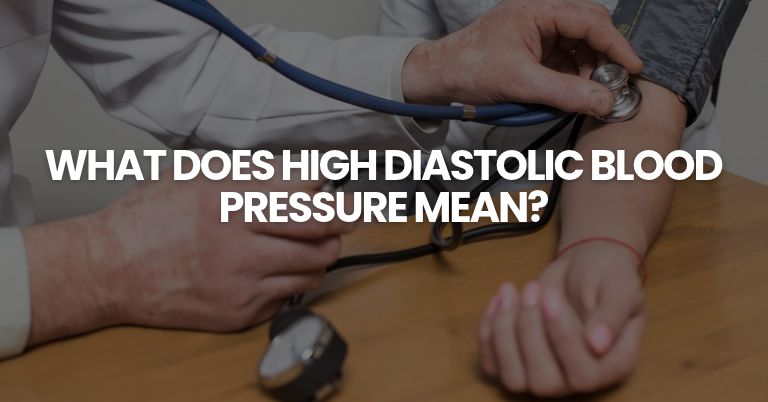
Blood pressure is an important indicator of your heart and vascular health. When checking your blood pressure, you receive two numbers: systolic and diastolic. While many people focus on the top number, the bottom number is equally important for understanding how well your cardiovascular system is functioning.
But what does high diastolic blood pressure mean? It means that the pressure in your arteries remains higher than normal while your heart relaxes between beats. If this pressure stays elevated over time, it may increase your risk of heart and blood vessel problems.
High diastolic blood pressure can develop without noticeable symptoms, making regular monitoring important. Understanding its causes, warning signs, and treatment options can help you take steps toward better cardiovascular health.
At Cardiology & Vascular Care Center (CVCC) in Port Charlotte, Florida, patients can seek professional cardiovascular evaluation and guidance to support long-term heart health.
What Is Diastolic Blood Pressure?
Blood pressure measures the force of blood pushing against the walls of your arteries as your heart pumps blood throughout your body.
A blood pressure reading contains two numbers, usually written as systolic over diastolic. For example, a reading of 120/80 mmHg has:
- Systolic blood pressure (120): The pressure in your arteries when your heart contracts and pumps blood.
- Diastolic blood pressure (80): The pressure in your arteries when your heart relaxes between beats.
Diastolic blood pressure is important because it reflects the pressure maintained in your arteries while the heart is resting between contractions.
When this lower number remains elevated, it may indicate that your cardiovascular system is experiencing increased pressure even when your heart is not actively pumping.
What Does High Diastolic Blood Pressure Mean?
High diastolic blood pressure means that the lower number in your blood pressure reading is above the recommended range.
According to American Heart Association adult blood pressure categories, a diastolic reading of:
- Below 80 mmHg: Normal when the systolic reading is also below 120 mmHg.
- 80–89 mmHg: Stage 1 hypertension range.
- 90 mmHg or higher: Stage 2 hypertension range.
These categories are based on either the systolic or diastolic number. If either number falls into a higher category, the higher category is used.
For example, a reading of 118/92 mmHg indicates a high diastolic reading, even though the systolic number is within the normal range.
When only the diastolic number is elevated, the condition may be described as isolated diastolic hypertension. A healthcare professional can evaluate repeated readings to determine whether treatment is needed.
Normal Diastolic Blood Pressure Range
Understanding your blood pressure numbers can help you recognize when your readings need medical attention.
Here is a general guide to adult blood pressure categories:
| Blood Pressure Category | Systolic (Top Number) | Diastolic (Bottom Number) |
| Normal | Below 120 | Below 80 |
| Elevated | 120–129 | Below 80 |
| Stage 1 Hypertension | 130–139 | 80–89 |
| Stage 2 Hypertension | 140 or higher | 90 or higher |
A single high reading does not necessarily mean you have hypertension. Blood pressure can change throughout the day because of physical activity, stress, caffeine, and other factors.
Your healthcare provider may recommend multiple measurements taken on different occasions or home monitoring to confirm a diagnosis.
Causes of High Diastolic Blood Pressure
There are several possible causes of high diastolic blood pressure. In many cases, it develops due to a combination of lifestyle habits, genetics, and underlying health conditions.
Common contributing factors include:
1. Unhealthy Eating Habits
Eating foods high in sodium can contribute to elevated blood pressure. Processed foods, packaged snacks, fast food, and restaurant meals may contain significant amounts of salt.
A diet that lacks fruits, vegetables, and other nutrient-rich foods may also make blood pressure management more difficult.
2. Lack of Physical Activity
Regular physical activity supports healthy circulation and cardiovascular function. A sedentary lifestyle may contribute to weight gain and increased blood pressure over time.
3. Excess Body Weight
Being overweight or having obesity can place additional demands on the cardiovascular system. This may contribute to elevated blood pressure and increase the risk of developing hypertension.
4. Chronic Stress
Ongoing stress can affect the body’s normal blood pressure regulation. Stress may also contribute indirectly through poor sleep, unhealthy eating habits, and reduced physical activity.
5. Kidney and Other Health Conditions
Kidney disease, diabetes, sleep apnea, and certain hormonal conditions can affect blood pressure regulation.
Some medications, including certain decongestants, anti-inflammatory drugs, and hormonal medications, may also increase blood pressure in some people.
6. Smoking and Alcohol Consumption
Smoking damages blood vessels and increases cardiovascular risk. Excessive alcohol consumption can also contribute to high blood pressure.
Understanding these high blood pressure causes can help your healthcare provider identify possible contributing factors and recommend appropriate care.
Symptoms of High Diastolic Blood Pressure
One important thing to understand about hypertension is that it often develops without obvious symptoms.
Many people with high diastolic blood pressure feel completely normal, even when their readings remain elevated.
Some people with severely elevated blood pressure may experience symptoms such as:
- Headaches
- Dizziness
- Blurred vision
- Shortness of breath
- Chest discomfort
However, these symptoms are not specific to hypertension and should not be used to diagnose the condition.
The most reliable way to identify high blood pressure is through regular measurement. If you experience chest pain, difficulty breathing, sudden weakness, changes in vision, or difficulty speaking, seek emergency medical attention.
If your blood pressure is higher than 180/120 mmHg, wait at least one minute and measure it again. If it remains that high without concerning symptoms, contact a healthcare professional immediately. If it is accompanied by symptoms such as chest pain, shortness of breath, weakness, or vision changes, call 911.
Risks of High Diastolic Blood Pressure
Leaving high blood pressure untreated can place additional stress on your heart and blood vessels.
Over time, persistent hypertension may increase the risk of several cardiovascular complications.
Heart Disease
High blood pressure makes the heart work harder to circulate blood. Over time, this additional workload may contribute to changes in the heart muscle and increase the risk of heart disease.
Stroke
Elevated blood pressure can damage blood vessels supplying the brain. This may increase the risk of a stroke.
Kidney Damage
The kidneys contain small blood vessels that help filter waste from the blood. Persistent hypertension can damage these vessels and affect kidney function.
Vascular Problems
High blood pressure can damage artery walls and contribute to cardiovascular and vascular disease.
These risks highlight why early detection and consistent blood pressure management are important for protecting long-term health.
How Is High Diastolic Blood Pressure Diagnosed?
A healthcare professional can evaluate your blood pressure using a properly fitted blood pressure cuff.
Diagnosis may involve:
- Blood pressure measurement: Your provider checks both systolic and diastolic readings.
- Repeated readings: Multiple measurements help determine whether blood pressure remains elevated.
- Medical history: Your provider reviews your health history, family history, lifestyle, and medications.
- Additional testing: Depending on your condition, blood tests, urine tests, an electrocardiogram (ECG), or other cardiovascular evaluations may be recommended.
Home blood pressure monitoring may also help your healthcare provider understand your readings outside the clinical setting.
For accurate home measurements, sit quietly for five minutes, keep your feet flat on the floor, support your arm at heart level, and use a properly sized upper-arm cuff.
How to Lower Diastolic Blood Pressure
Managing high diastolic blood pressure often involves lifestyle changes, regular monitoring, and medical treatment when necessary.
Here are some steps that may help support healthier blood pressure levels.
1. Follow a Heart-Healthy Diet
Consider following the DASH (Dietary Approaches to Stop Hypertension) eating pattern. Include vegetables, fruits, whole grains, lean proteins, and low-fat dairy products.
Limit foods high in sodium and saturated fat.
2. Exercise Regularly
Regular physical activity can support cardiovascular health and help improve blood pressure.
Many adults should aim for at least 150 minutes of moderate-intensity aerobic activity each week, depending on their health and physical abilities.
3. Maintain a Healthy Weight
If you are overweight, gradual and sustainable weight management may help improve blood pressure levels.
4. Limit Alcohol and Avoid Smoking
Reducing alcohol consumption and avoiding tobacco products can support healthier blood vessels and reduce cardiovascular risks.
5. Manage Stress and Improve Sleep
Relaxation techniques, adequate sleep, and regular physical activity may help support healthy blood pressure regulation.
6. Follow Your Treatment Plan
Some people need prescription medications to control hypertension. Depending on your blood pressure readings and overall cardiovascular risk, your healthcare provider may recommend medication alongside lifestyle changes.
Never stop or change prescribed blood pressure medication without consulting your healthcare professional.
When Should You See a Cardiologist for High Blood Pressure?
You should consider consulting a cardiologist if your blood pressure readings remain elevated, your numbers are difficult to control, or you have additional cardiovascular risk factors.
Professional cardiovascular evaluation may be particularly important if you have:
- Repeated high diastolic blood pressure readings.
- A family history of heart disease or hypertension.
- Diabetes or kidney disease.
- Existing heart or vascular conditions.
- Blood pressure that remains high despite treatment.
At Cardiology & Vascular Care Center (CVCC), patients in Port Charlotte, Florida, can seek cardiovascular care and evaluation based on their individual health needs.
Working with a cardiovascular specialist can help you understand your blood pressure readings, evaluate potential risk factors, and develop an appropriate management plan.
Frequently Asked Questions
1. What does high diastolic blood pressure mean?
High diastolic blood pressure means the pressure in your arteries remains elevated while your heart relaxes between beats. A diastolic reading of 80–89 mmHg falls within the Stage 1 hypertension range, while 90 mmHg or higher falls within the Stage 2 range under current adult AHA categories.
2. Is high diastolic blood pressure more dangerous than high systolic blood pressure?
Both numbers are important for assessing cardiovascular health. The significance of an elevated reading depends on your age, overall health, medical history, and other risk factors. A healthcare professional should evaluate both numbers rather than focusing on only one.
3. Can high diastolic blood pressure occur without symptoms?
Yes. Hypertension often has no noticeable symptoms. Regular blood pressure checks are important because you may have elevated readings without feeling unwell.
4. How can I lower diastolic blood pressure naturally?
Healthy habits may help lower blood pressure. These include following a heart-healthy diet, reducing sodium intake, exercising regularly, maintaining a healthy weight, avoiding smoking, limiting alcohol, and managing stress. Some people also require medication.
5. When should I seek medical attention for high diastolic blood pressure?
Contact your healthcare provider if your diastolic readings are repeatedly 80 mmHg or higher. If your blood pressure is higher than 180/120 mmHg, repeat the measurement after one minute and contact a healthcare professional immediately if it remains elevated. Call 911 if you also experience chest pain, shortness of breath, weakness, vision changes, or difficulty speaking.