
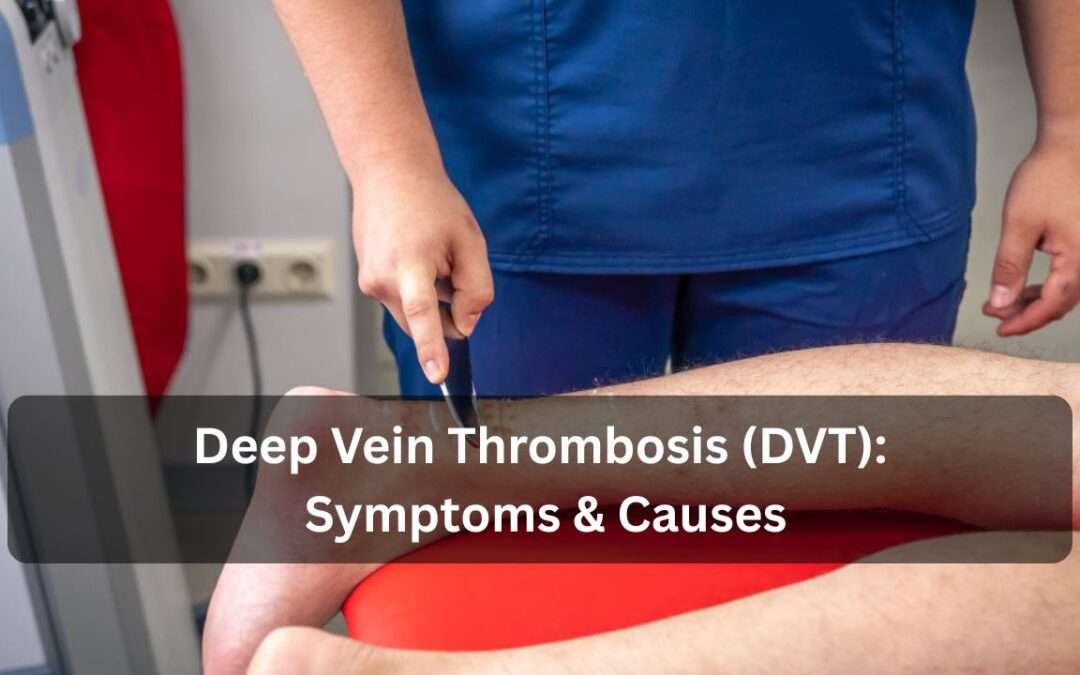
Have you ever felt unexplained pain or swelling in your leg and wondered if it’s something serious? Sometimes, what seems like a normal pain could be a sign of something more dangerous, like Deep Vein Thrombosis, or DVT. Many people don’t realise they have it until it becomes a major health risk. That’s why it’s so important to know what to look for and when to take action. In this post, we’ll walk you through the early warning signs that shouldn’t be ignored.
We’ll also talk about simple steps you can take to help prevent DVT before it starts. Whether you spend hours sitting at a desk, travel often, or have certain health risks, this information could help protect your health. Let’s explore how to stay safe and spot DVT early—before it leads to serious problems.
What is DVT (Deep Vein Thrombosis)?
DVT or Deep Vein Thrombosis is a medical condition where a blood clot is formed in the deep veins of the legs. The veins bring blood back to the heart, and when a clot is formed in a vein, which blocks this flow, it may result in pain, swelling, or other complications. The life-threatening pulmonary embolism condition can happen if the clot breaks loose and travels to the lungs. While some clots are small and do not cause any symptoms, others are extremely threatening and can lead to death.
DVT can happen to anyone, but certain risk factors increase the chances. DVT has some risk factors which include lying down or sitting for an extended period, which is common in long flights, undergoing surgery, suffering from injury to a vein, medical conditions like cancer, and inherited blood hear thrombosis termed ‘blood-clotting disorders.’ Birth control pills, smoking, and being overweight also put anyone at risk.
How Do I Know if I Have Deep Vein Thrombosis Causes?
Here are five common symptoms of Deep Vein Thrombosis (DVT), each explained in simple terms:
Swelling In One Leg
Swelling in one leg, in particular a limb, is clear like a signboard. Alongside being sudden, this swelling is often recurring. It may present a sensation of tightness or heaviness, particularly in the calf of the thigh. Due to the clot stopping blood circulation, swelling occurs.
Leg Pain Or Tenderness
The sharp pain and cramping that DVT causes are mostly concentrated in the calf region. The pain usually kicks off in the calf region and more specifically, is described as pulled muscles, soreness and tendons. Tenderness may be felt when pressing onto the legs and for extended periods of standing or walking, and exacerbated pain alongside exacerbated soreness is to be expected.
Warmth In The Affected Area
Compared to the rest of the body, the skin over the affected appendage has increased body temperature, feeling warmer to the touch. This increase in body temperature is a result of inflammation within the vein. Warmth may be experienced before pain or swelling is felt. This is slight yet strengthens the case of not being dismissed out of hand
Skin Discolouration
The skin covering the area where the clot is situated is susceptible to having a rosy outline or blueish touch. Instead of a defining mark around the swollen or painful region from which they originated, detecting unremovable bruises is encouraged. Abnormal changes in skin colour are portrayed as a precautionary sign that indicates some problems in blood circulation.
What Should I Do If I Suspect DVT?
The patient who has DVT may experience swelling, pain, and sudden warmth in the leg. It usually occurs around the affected area, and with the help of treatment such as blood thinners, the patient can recover quickly.
If you observe signs such as swelling in one leg and pain that is warm or causes skin discolouration, do not dismiss these indicators. First, see a physician for correct medical imaging—a D-dimer blood test or ultrasound—so that you can obtain a proper diagnosis.
If caught early enough, DVT is manageable with blood thinners to avoid more severe conditions, such as pulmonary embolisms. Refrain from taking any medication and treating your symptoms as non-existent. Drink plenty of water, continue physical activity, and if travelling, avoid lying or sitting for too long. Both your health and life can be saved if action is taken sooner.
If I Have Deep Vein Thrombosis (DVT), How Is It Treated?
The goal of treatment for Deep Vein Thrombosis (DVT) is to limit the growth of the clot or any potential complications like pulmonary embolism. Likewise, minimising the risk of future blood clots is also a priority.
Anticoagulant Medication
Most cases of DVT are treated with anticoagulants, which are also referred to as blood thinners; They limit the formation of new blood clots while also preventing the existing clot from growing. Medications like heparin (injection), warfarin, and newer oral medications such as rivaroxaban or apixaban are typical prescriptions, although warfarin requires meticulous blood monitoring. Indeed, these medications promote optimal blood circulation and reduce dangerous complications.
Thrombolytic Therapy
In critical situations, doctors may apply thrombolytic therapy by administering potent rare and life-threatening cases. These strong drugs are effective in breaking down blood clots, and due to the high susceptibility of bleeding complications, treatment is usually conducted within a hospital setting.
Compression Stockings
In light of medical advice, patients suffering from obesity or heavy weight conditions are recommended to use compression stockings to ease leg swelling and post-thrombotic syndrome complications. These stockings help soothe discomfort and pain during prolonged standing or travelling. They must be worn daily as prescribed by the physician.
Lifestyle Changes
To alleviate or recover from certain conditions or health issues, the best cardiologist suggests that patients should consider adopting changes in lifestyle and staying active. Long durations of sitting, hydration, and maintaining a healthy weight are fundamental, along with controlling blood pressure levels.
Difference Between DVT and a Superficial Venous Thrombosis
Deep vein thrombosis (DVT) and superficial venous thrombosis (SVT) are two health-related issues concerning thrombus formation (blood clots), with the major difference being the level at which each occurs and the level of implication on one’s health.
DVT affects larger blood vessels, such as the deep veins located in the legs. Blood clots within major veins that return blood to the heart are formed. This is a serious condition because the blood clot in a deep vein may dislodge and move to the lungs, resulting in Pulmonary embolism, which is life-threatening.
Clots or thrombi in the deep veins may result in swelling, pain, redness, and a local rise in temperature of the affected leg. This requires strict and immediate medical attention and blood-thinning medications to circumvent complications that may arise.
Superficial venous thrombosis (SVT) occurs in superficial veins lying just under the skin. These veins are also smaller and less important for the circulation of blood. Inflammation or thrombus formation might lead to SVT, but its severity is considerably lower than DVT. It results in less severe discomfort and pain.
Conclusion
Deep vein thrombosis is a critical condition that requires prompt attention to prevent life-threatening complications such as pulmonary embolism. It is important to recognise the early signs, including leg swelling, pain, and warmth, which can help you take action before the condition gets worse.
Besides, it is essential to take preventive measures such as staying active and wearing compression stockings, which can significantly reduce the risk of developing DVT. Further, you can also book an appointment with a heart specialist at Cardiovascular Care Centre to get more clarity on the condition and understand the preventive measures.
FAQs
When Should I See My Healthcare Provider?
The patients should see a health expert if they experience symptoms such as swelling, pain, redness in the leg, or some early signs of DVT. It is important to seek immediate medical attention if the symptoms are getting worse or if the patient has difficulty breathing or chest pain.
How Common Is Deep Vein Thrombosis?
Deep Vein Thrombosis is quite common, it affects generally 1 in 1,000 people annually. It is more likely to occur in people with certain risk factors such as prolonged immobility, recent surgery, or an underlying medical condition. The early detection is important for effective treatment.
What Happens During DVT Diagnosis?
A CT scan or an MRI may be required to provide a better view of the area of concern for the arteries. There is a need to pay attention to the timely diagnosis to put the right treatment and prevent other arising concerns.