
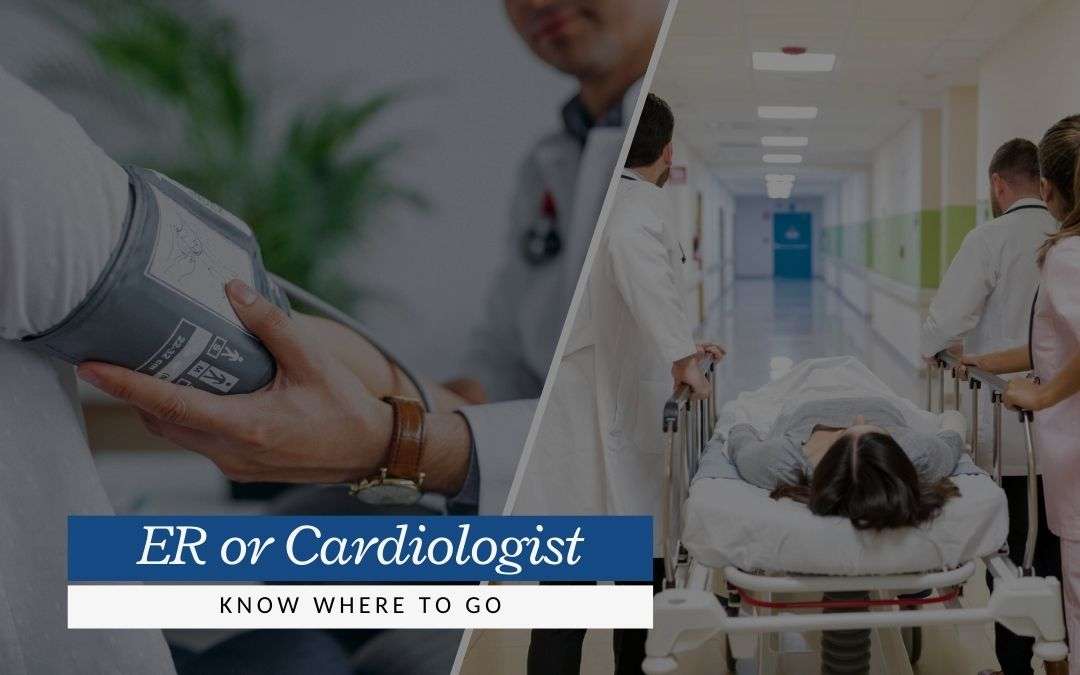
Heart health is critical, yet many individuals struggle to understand when a cardiac issue demands immediate emergency care versus a routine visit to a cardiologist. Misjudging the severity of symptoms can lead to dangerous delays or unnecessary ER visits. This guide provides a clear framework to help you make informed decisions when faced with heart-related concerns.
Understanding the Roles: ER vs. Cardiologist
Before diving into symptom-specific guidance, it’s important to understand the distinct roles of emergency rooms and cardiologists:
Emergency Room (ER)
The ER is equipped to handle life-threatening or severe conditions that require immediate attention. Cardiac emergencies often need rapid intervention to prevent permanent damage or death.
Key features of the ER:
- 24/7 availability for urgent cases.
- Access to advanced diagnostic tools such as ECG, troponin tests, and imaging.
- Ability to administer emergency treatments like thrombolytics, cardiac catheterization, and defibrillation.
Cardiologist
Cardiologists are specialized physicians who diagnose, treat, and manage heart diseases in non-emergency contexts. They focus on long-term care, preventive strategies, and elective procedures.
Key features of cardiology care:
- Scheduled consultations for ongoing heart health management.
- Comprehensive assessment including echocardiography, stress tests, and Holter monitoring.
- Management of chronic conditions such as hypertension, arrhythmias, and coronary artery disease.
- Guidance on lifestyle modifications and medication adjustments.
Recognizing When to Go to the ER
Certain symptoms should trigger an immediate trip to the ER. These are often sudden, severe, or unusual and may indicate a life-threatening cardiac event.
1. Chest Pain or Discomfort
Chest pain is one of the most common signs of a heart attack, but not all chest pain is cardiac-related. Red flags include:
- Sudden, intense pressure or squeezing in the chest.
- Pain radiating to the arm, neck, jaw, or back.
- Accompanied by shortness of breath, nausea, or sweating.
- Unrelieved by rest or over-the-counter pain medication.
Note: Even mild chest discomfort should be taken seriously if it’s sudden and unexplained.
2. Shortness of Breath
Difficulty breathing, especially when combined with chest pain or dizziness, can indicate heart failure, pulmonary embolism, or myocardial infarction. If shortness of breath is sudden or severe, call emergency services immediately.
3. Irregular Heartbeat (Arrhythmia)
Some arrhythmias are benign, but dangerous arrhythmias can lead to fainting, stroke, or cardiac arrest. Seek ER care if you experience:
- Palpitations that come on suddenly and persist.
- Dizziness, fainting, or near-fainting episodes.
- Rapid or irregular heartbeat accompanied by chest discomfort.
4. Severe Fatigue or Weakness
Extreme fatigue or sudden weakness can indicate that the heart is unable to pump blood effectively. When combined with other symptoms, it warrants immediate evaluation in the ER.
5. Loss of Consciousness
Fainting or sudden loss of consciousness may signal a dangerous arrhythmia, heart block, or other life-threatening condition. Do not attempt to self-assess—call emergency services.
6. Swelling and Sudden Weight Gain
Rapid swelling in the legs, ankles, or abdomen may indicate heart failure. If this occurs suddenly or is accompanied by breathing difficulties, it requires urgent medical attention.
7. Severe or Unexplained Nausea and Sweating
Profuse sweating, nausea, or vomiting with chest discomfort may be signs of a heart attack, especially in women who may present atypical symptoms.
When to Schedule a Cardiologist Visit
Not all heart-related symptoms require emergency care. Cardiologists provide ongoing evaluation and management for less urgent concerns.
1. Mild or Intermittent Chest Discomfort
- Occasional pressure or tightness, particularly with exertion, may indicate angina.
- Symptoms improve with rest.
- Recommended action: Schedule a cardiologist visit for evaluation, stress testing, and preventive care.
2. Known Heart Conditions
Patients with existing diagnoses (e.g., hypertension, coronary artery disease, heart failure) should maintain regular cardiology appointments to monitor progress and adjust treatment plans.
3. High Blood Pressure Management
Elevated blood pressure without acute symptoms rarely requires ER care. Cardiologists can guide long-term management, medication adjustments, and lifestyle interventions.
4. Lipid Disorders and Risk Assessment
Elevated cholesterol or triglycerides without acute symptoms should be addressed through routine cardiology care for preventive measures.
5. Routine Screening
- Stress tests, echocardiograms, or ECGs as part of preventive care.
- Risk assessment for patients with family history of heart disease.
- Lifestyle counseling for diet, exercise, and stress management.
Understanding Symptom Severity
Distinguishing between urgent and non-urgent cardiac symptoms can be challenging. Here’s a framework to help:
| Symptom | Severity Indicator | Recommended Action |
| Chest pain | Sudden, severe, radiating |
ER |
| Chest pain | Mild, intermittent, triggered by exertion |
Cardiologist |
| Shortness of breath | Severe, sudden |
ER |
| Shortness of breath | Mild, chronic |
Cardiologist |
| Palpitations | Accompanied by dizziness/fainting |
ER |
| Palpitations | Occasional, mild |
Cardiologist |
| Swelling in legs | Rapid, with shortness of breath |
ER |
| Swelling in legs | Gradual, mild |
Cardiologist |
| High blood pressure | Extremely high with symptoms |
ER |
| High blood pressure | Elevated but stable |
Cardiologist |
The Decision-Making Process
When deciding where to seek care, consider the following steps:
Step 1: Assess Symptom Urgency
- Life-threatening or sudden symptoms → ER.
- Chronic, mild, or routine symptoms → Cardiologist.
Step 2: Consider Personal Risk Factors
- Age over 50, diabetes, hypertension, obesity, and family history of heart disease increase risk.
- Higher risk may justify a lower threshold for ER visits.
Step 3: Use Telehealth Resources
- Many cardiology offices provide virtual consultations for guidance.
- If unsure about severity, telehealth can help determine the need for ER evaluation.
Step 4: Err on the Side of Caution
- When in doubt, seek emergency care. Prompt treatment can save lives in cardiac events.
Special Considerations
Women and Atypical Symptoms
Women often present atypical symptoms for heart attacks, including:
- Jaw, neck, or back pain.
- Shortness of breath without chest pain.
- Fatigue or nausea.
Women should be especially cautious and seek immediate evaluation for unusual symptoms.
Elderly Patients
Older adults may experience subtle or atypical symptoms, such as confusion or weakness, that signal serious cardiac problems. Early ER assessment is advisable.
Patients with Chronic Heart Disease
Those with existing heart conditions must monitor for symptom changes. Any sudden worsening, new chest pain, or irregular heartbeat should prompt immediate medical attention.
Common Myths
Myth 1: “Chest pain always means a heart attack.”
- Reality: Chest pain can stem from acid reflux, muscle strain, or anxiety. However, sudden or severe pain should never be ignored.
Myth 2: “If I’m not sweating, it’s not serious.”
- Reality: Many heart attacks occur without classic symptoms. Look for pressure, discomfort, or shortness of breath.
Myth 3: “ER visits for mild symptoms are unnecessary.”
- Reality: Symptoms may appear mild but escalate rapidly. Early evaluation can prevent severe outcomes.
Preparing for ER or Cardiologist Visits
For the ER
- Bring a list of medications and allergies.
- Know your personal and family history of heart disease.
- Note symptom onset and severity.
For Cardiologist Appointments
- Maintain a symptom diary for patterns and triggers.
- Bring recent lab results or prior imaging.
- Prepare questions about lifestyle, medications, or preventive care.
Preventive Measures to Reduce ER Visits
Preventive cardiology can minimize emergencies:
- Regular Check-ups: Schedule cardiology visits for ongoing monitoring.
- Lifestyle Modifications: Maintain a heart-healthy diet, exercise regularly, manage stress, and avoid smoking.
- Medication Compliance: Take prescribed medications as directed.
- Monitoring Tools: Use blood pressure cuffs, heart rate monitors, or wearable ECG devices to track changes.
Key Takeaways
- ER visits are for sudden, severe, or life-threatening symptoms.
- Cardiologists handle routine, chronic, or preventive heart care.
- Women, elderly patients, and those with chronic conditions should be especially vigilant.
- Err on the side of caution; early intervention can prevent serious complications.
- Preventive measures and regular cardiology care reduce the risk of emergencies.
Conclusion
Understanding the difference between urgent and non-urgent cardiac care can save lives and optimize long-term heart health. Being proactive, recognizing warning signs, and seeking timely care are critical steps in maintaining cardiovascular wellness.
If you’re looking to get a comprehensive heart check-up or need guidance on your specific symptoms, don’t hesitate to reach out to us. We offer a range of diagnostic cardiology services, including stress tests, echocardiograms, and Holter monitoring, to help assess your heart health.
FAQs
Q1: Can I go to the ER for high blood pressure?
A1: Only if blood pressure is extremely high (e.g., >180/120) with symptoms like chest pain, vision changes, or shortness of breath. Otherwise, consult your cardiologist.
Q2: How quickly should I see a cardiologist after ER treatment?
A2: Ideally within 1–2 weeks for follow-up, depending on your ER discharge instructions.
Q3: What is the difference between angina and a heart attack?
A3: Angina is chest discomfort caused by reduced blood flow and usually improves with rest. Heart attacks involve permanent heart damage due to blocked blood flow and require ER care.
Q4: Can anxiety mimic heart problems?
A4: Yes. Panic attacks can produce chest pain, palpitations, and shortness of breath. However, new or unexplained symptoms should always be evaluated by a medical professional.
Q5: How can I track my heart health at home?
A5: Keep a log of symptoms, monitor blood pressure, track heart rate, and use wearable devices to note irregularities.