
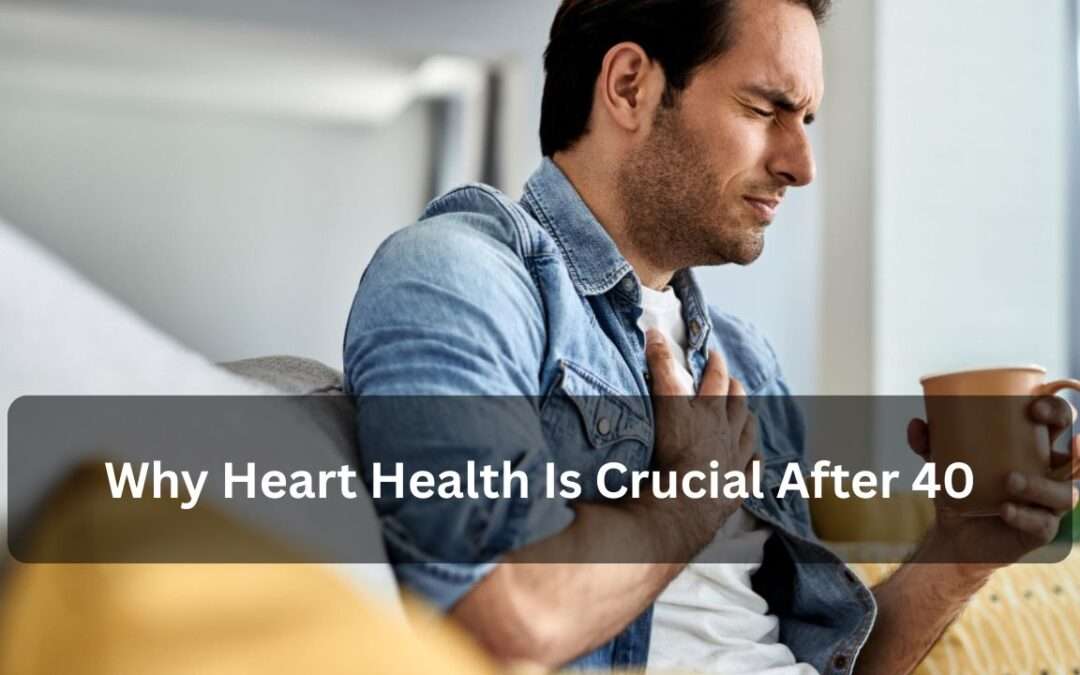
Hitting your 40 is a big deal. It’s a time when you’ve gained a lot of life experience, but it’s also a time when your body starts going through some important changes. This is especially true for your heart. Think of your heart health after the 40s as a friendly heads-up from your body. The way you’ve lived your life up to this point—your diet, your exercise habits, your stress levels—starts to have a much bigger impact on your health. That’s why paying close attention to your heart health after 40 becomes a top priority. It’s not about being scared; it’s about being smart and proactive. This is your chance to take control and make sure your heart stays strong for all the years to come.
For everyone in our local community, understanding how to take care of your heart is the first step toward a longer, more vibrant life. Here at the Cardiovascular Care Center (CVCC), we want to be your trusted partners on this journey, offering the expert advice and personalised care you need.
Understanding the Ways Your Heart Changes with Age
As we get older, our heart naturally changes right along with the rest of our bodies. These changes aren’t signs of sickness, but they do create a new reality for our health that we need to manage carefully.
Your Heart’s Natural Makeover
As the years go by, the heart muscle itself can get a little thicker. The main rooms, or chambers, of your heart might get slightly larger. The tiny doors inside your heart that control blood flow, called valves, can also get a bit stiff. Even though your heart rate when you’re resting usually stays about the same, your heart might not be able to beat as fast when you exercise as it did when you were younger. The heart’s own natural pacemaker can also start to lose some of its cells, which can sometimes lead to a slightly slower heartbeat.
Slower Body Engine and Weight Gain
After you turn 40, your metabolism, the engine that burns calories in your body naturally, starts to slow down. This means your body uses up energy more slowly, which makes it much easier to gain weight, even if you’re eating the same amount of food you always have. This extra weight, particularly the fat that gathers around your belly, is a major risk for your heart health after 40.
Stiffening Arteries and the Risk of High Blood Pressure
Your arteries are like the highways that carry blood from your heart to every part of your body. With age, these highways can become stiffer and less stretchy. This condition, known as arteriosclerosis, is like trying to push water through a stiff, old garden hose instead of a new, flexible one. It forces your heart to pump much harder to get the blood moving, which can cause your blood pressure to slowly creep up over time.
The Impact of Moving Less
For many people, life in their 40s and beyond can become much more stationary. Demanding jobs, family duties, or just feeling more tired can lead to sitting more and moving less. When you aren’t physically active enough, it can lead to a chain reaction of problems, including gaining weight, developing higher blood pressure, and having a heart that isn’t as strong or efficient as it should be.
Common Risks of Heart Health After 40
The natural changes of ageing, mixed with our daily habits, can seriously increase the chances of developing several heart-related problems. Knowing what these dangers are is the first and most important step toward protecting yourself.
High Blood Pressure (Hypertension)
This is often called the “silent killer” for a very good reason: it usually doesn’t have any symptoms you can see or feel. That’s why high blood pressure is so dangerous and becomes much more common after 40. If it’s not controlled, high blood pressure continuously damages your arteries, which can eventually lead to a heart attack, a stroke, kidney disease, or other very serious health issues.
High Cholesterol and Triglycerides
As we get older, our bodies sometimes start making more cholesterol. At the same time, our ability to clean the “bad” kind of cholesterol out of our blood can decrease. High levels of this “bad” LDL cholesterol, along with high levels of fats in the blood called triglycerides, can lead to plaque buildup inside your arteries. This buildup, called atherosclerosis, makes the arteries narrower and harder, almost like a pipe getting clogged with gunk. This restricts blood flow and makes your heart work under dangerous strain.
Type 2 Diabetes and Metabolic Syndrome
Your risk of getting type 2 diabetes goes up quite a bit after age 40. This condition, where your body has too much sugar in the blood, is a huge contributor to heart disease because high sugar levels damage blood vessels. Another growing problem is metabolic syndrome. This isn’t one single disease, but a cluster of dangerous conditions happening at once: high blood pressure, high blood sugar, extra body fat around the waist, and unhealthy cholesterol levels. Having this syndrome dramatically boosts your chances of developing heart disease and stroke.
Obesity and Dangerous Belly Fat
Carrying too much weight is tough on your entire body, but it’s especially hard on your heart health after 40. The fat that settles around your abdomen, often called visceral fat, is particularly hazardous. This type of fat isn’t just sitting there; it’s active, releasing chemicals and hormones that cause inflammation and seriously harm your cardiovascular system.
A Family History of Heart Problems
You can’t change your genes, but you need to know about them. Your family’s health history is a roadmap to your own potential risks. If a close family member—like a parent or a sibling—had heart disease at a young age (before 55 for a man or 65 for a woman), your own risk is automatically higher. This knowledge gives you a powerful reason to be extra careful with your heart health after 40.
Warning Signs from Your Body That You Shouldn’t Ignore
As we get older, it’s very easy to just brush off a new pain or feeling as a normal part of ageing. However, your body often sends warning signals when your heart is in trouble. You should never ignore these signs.
-
Chest Pain, Tightness, or Squeezing
This is the most well-known sign of a heart attack, but it can also be a symptom of angina, which is pain caused by a temporary lack of blood flow to the heart.
-
Shortness of Breath
If you find yourself getting breathless after very little effort, like walking across a room, or even while you’re resting, it could mean your heart isn’t able to pump blood effectively.
-
Constant Tiredness or Unexplained Weakness
Everyone feels tired now and then. But a deep, persistent exhaustion that doesn’t get better with rest can be a quiet but serious signal of heart trouble.
-
Irregular Heartbeat or Palpitations
A feeling that your heart is fluttering, racing, pounding, or skipping beats can be a sign of an arrhythmia, which is an abnormal heart rhythm that may need medical attention.
-
Feeling Dizzy or Lightheaded
These feelings can happen if your brain isn’t getting a steady supply of oxygen-rich blood, which could be because of a problem with your heart.
If you start to experience any of these symptoms, it is extremely important to get medical help right away. Don’t wait or try to tough it out.
Why Preventive Health Screenings Are So Important After 40
The wonderful news about heart health is that most conditions can be managed very effectively, especially when they are caught early. This is why getting regular preventive check-ups is one of the most powerful tools you have for maintaining good heart health after 40.
-
The Importance of Regular Blood Pressure Checks
Every single adult over 40 should have their blood pressure checked at least once a year. If your numbers are already a bit high, your doctor will want to check them more often. It’s a fast, simple, and painless test that provides vital information.
-
Cholesterol and Lipid Profile Tests
This is a blood test that measures your total cholesterol (both “good” HDL and “bad” LDL) and your triglyceride levels. Most adults should get this test every four to six years, but after 40, especially if you have other risk factors, you’ll likely need it more frequently.
-
ECG and Stress Tests
An electrocardiogram (ECG or EKG) is a simple test that records your heart’s electrical signals to check for any irregularities. A stress test, where your heart is monitored while you walk on a treadmill, is a great way for doctors to see if your heart is getting enough blood when it’s working hard.
-
Diabetes Screening and BMI Monitoring
Regular blood tests to screen for type 2 diabetes, like a fasting blood sugar test, are essential. Your doctor will also want to keep track of your Body Mass Index (BMI), a measure of body fat based on your height and weight, to make sure you’re in a healthy range.
Lifestyle Adjustments to Greatly Improve Your Heart Health After 40
We can’t stop ourselves from ageing, but we have an incredible amount of control over how we age. Your 40s are the ideal time to fully commit to these powerful, heart-protecting habits.
-
Eat a Heart-Friendly Diet
One of the most effective things you can do is to adopt a diet that’s full of fruits, vegetables, whole grains, lean proteins, and healthy fats. Two fantastic, science-backed eating plans are the DASH (Dietary Approaches to Stop Hypertension) diet and the Mediterranean diet. Both have been proven to help lower blood pressure and reduce the risk of heart disease.
-
Get Consistent Physical Activity (Aim for 30 minutes/day)
Try to get at least 30 minutes of moderate-intensity exercise on most days of the week. This doesn’t have to be a marathon. A brisk walk, a bike ride, swimming, or even dancing all count. Regular activity helps you manage your weight, lower your blood pressure and cholesterol, and make your heart muscle stronger.
-
Learn to Manage Your Stress
Life is stressful, but chronic, non-stop stress can lead to high blood pressure and other problems for your heart. Finding healthy ways to unwind is not a luxury; it’s a necessity. Try incorporating stress-busting techniques like yoga, meditation, simple deep-breathing exercises, or just spending quiet time in nature.
-
Focus on Quality Sleep
Most adults need between 7 and 9 hours of good-quality sleep each night. Not getting enough sleep can contribute to high blood pressure, obesity, and diabetes. You also need to be aware of sleep apnea, a common condition where you stop breathing for short periods during sleep. If you snore loudly and always feel tired during the day, talk to your doctor about it, as it’s a major risk factor for heart problems.
-
Quit Smoking and Limit Alcohol
If you are a smoker, quitting is the single most important thing you can possibly do for your heart. Smoking badly damages the lining of your arteries and drastically increases your risk of having a heart attack or stroke. It’s also wise to limit your alcohol intake, as too much alcohol can raise your blood pressure and add extra calories, leading to weight gain.
Conclusion
Think of your 40th birthday not as getting older, but as a fresh start for your heart. This is your chance to take everything you’ve learned and make powerful choices for your future. By understanding the simple ways your body is changing and by taking small, proactive steps, you can dramatically lower your chances of developing heart disease.
You don’t need to make massive, overwhelming changes all at once. It starts with a simple check-up, a daily walk, or adding more vegetables to your dinner plate. A commitment to a healthier lifestyle and catching any potential issues early are the best tools you have to protect your heart.
Don’t wait for a warning sign or a health scare to motivate you. The perfect time to prioritise your heart health is right now. Schedule an appointment at the Cardiovascular Care Centre.
Frequently Asked Questions (FAQs)
1. Is It Normal for My Blood Pressure to Go Up After 40?
It’s very common, but it’s not “normal” in the sense that it’s healthy. As your arteries get a bit stiffer with age, your blood pressure can rise. Think of it as a warning sign from your body that it’s time to pay more attention. Healthy habits can help lower it, and your doctor can tell you if medication is needed.
2. Can I Reverse Heart Disease With a Better Lifestyle?
Yes! In many cases, you absolutely can. By making significant lifestyle changes—like eating a truly healthy diet, exercising regularly, losing weight, and quitting smoking—you can often slow down, stop, and sometimes even reverse the buildup of plaque in your arteries. Your body has an amazing ability to heal when you give it the right tools.
3. How Often Do I Need a Heart Check-up After 40?
A good rule of thumb is to see your doctor for a heart health check-up every 2 to 4 years if you have no major risk factors. However, if you have a risk factor like high blood pressure, high cholesterol, diabetes, or a family history of heart disease, your doctor will likely want to see you every year.
4. What Is the Single Best Diet for My Heart?
The best diet is one you can stick with for life! But excellent choices are diets rich in natural foods. Think of the Mediterranean diet—full of fruits, vegetables, whole grains, beans, nuts, and healthy fats like olive oil, plus lean protein from fish and chicken. The goal is to eat more real food and less processed food.
5. Is Stress That Bad for My Heart?
Yes, it is. Constant, long-term stress can directly lead to high blood pressure and inflammation in your body. It also leads to unhealthy behaviours to cope with the stress, like overeating junk food, drinking too much alcohol, or smoking. Finding healthy ways to manage stress, like exercise, meditation, or a hobby you love, is a crucial part of taking care of your heart.