
Your Daily Habits Are Shaping Your Heart
What you eat, how much you move, how you sleep, and even how you handle stress these everyday choices quietly shape your heart health over time. Most people think heart problems appear suddenly, but the truth is very different. Heart health is built or damaged gradually through daily lifestyle decisions.
In today’s fast-paced world, where convenience often replaces care, heart-related conditions are becoming more common, even among younger individuals. Long working hours, unhealthy eating habits, lack of physical activity, and rising stress levels are all contributing factors.
The good news? You have more control over your heart health than you might think.
In this blog, we’ll explore how lifestyle affects long-term heart health and what small, consistent changes can help you build a stronger, healthier heart for the future.
Understanding Heart Health: The Basics
Before diving into lifestyle factors, it’s important to understand what heart health really means.
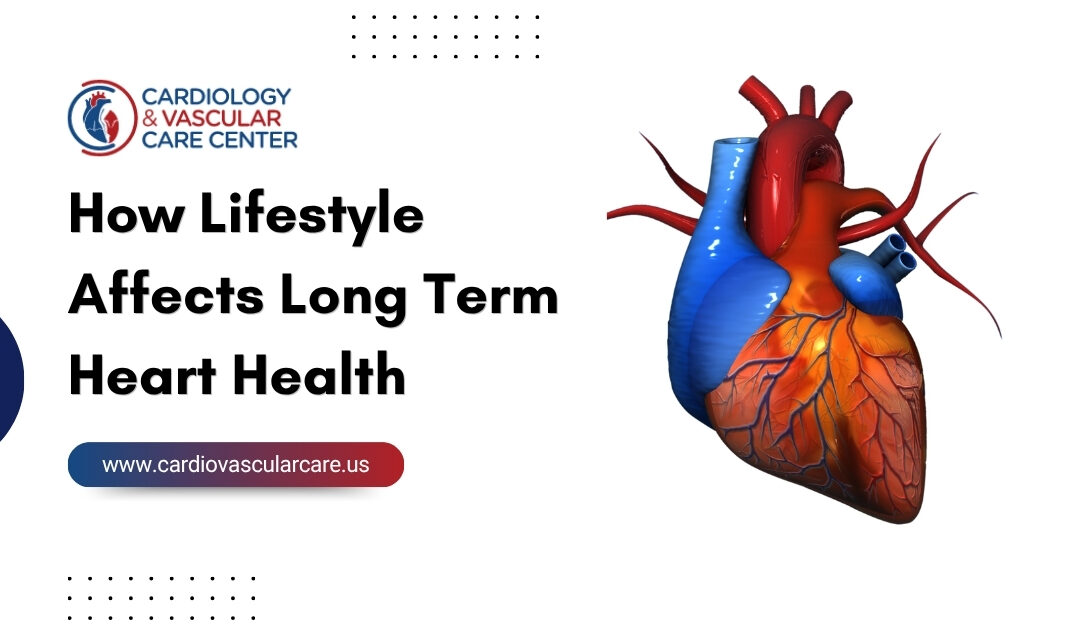
Your heart is a powerful muscle responsible for pumping blood throughout your body. It supplies oxygen and nutrients to your organs and removes waste products. When your heart is functioning well, your entire body benefits.
However, poor heart health can lead to conditions such as:
- High blood pressure
- High cholesterol
- Blocked arteries
- Heart attacks
- Stroke
These issues often develop silently over time, making prevention even more important than treatment.
The Connection Between Lifestyle and Heart Health
Your lifestyle directly influences how your heart performs over the long term.
Think of your heart like an engine. If you consistently provide it with clean fuel, maintain it regularly, and avoid unnecessary stress, it will perform efficiently for years. But if you neglect it, overload it, or expose it to harmful habits, problems are inevitable.
Lifestyle impacts heart health in two major ways:
- Short-term effects: Energy levels, blood pressure fluctuations, and stress responses
- Long-term effects: Artery damage, cholesterol buildup, and increased risk of chronic disease
The key takeaway is simple: prevention is always easier and more effective than cure.
Diet: The Foundation of a Healthy Heart
What you eat every day plays one of the biggest roles in determining your heart health.
How Unhealthy Diets Harm the Heart
Diets high in processed foods, sugar, and unhealthy fats can:
- Increase cholesterol levels
- Lead to weight gain
- Raise blood pressure
- Cause inflammation in blood vessels
Over time, these factors contribute to serious heart conditions.
Heart-Friendly Foods to Include
A balanced diet can protect and strengthen your heart. Focus on:
- Fruits and vegetables: Rich in vitamins, minerals, and antioxidants
- Whole grains: Help control cholesterol and blood sugar
- Healthy fats: Found in nuts, seeds, and oils like olive oil
- Lean proteins: Such as fish, beans, and legumes
Watch Your Salt and Sugar Intake
Excess salt can increase blood pressure, while too much sugar can lead to obesity and diabetes both major risk factors for heart disease.
Hydration Matters
Staying properly hydrated supports circulation and helps your heart function efficiently.
Physical Activity: Keeping Your Heart Strong
Your heart is a muscle and like any muscle, it needs regular exercise to stay strong.
Benefits of Regular Exercise
Physical activity:
- Improves blood circulation
- Lowers blood pressure
- Helps manage weight
- Reduces stress
- Strengthens the heart muscle
How Much Exercise Do You Need?
Experts recommend at least:
- 30 minutes of moderate activity most days of the week
Types of Exercises for Heart Health
- Cardio exercises: Walking, running, cycling, swimming
- Strength training: Builds muscle and improves metabolism
- Flexibility exercises: Yoga and stretching improve overall wellness
The Danger of a Sedentary Lifestyle
Sitting for long hours with little movement increases the risk of heart disease, even if you exercise occasionally. Daily movement is essential.
Stress and Mental Health: The Silent Risk Factors
Stress is often overlooked, but it has a powerful impact on heart health.
How Stress Affects the Heart
Chronic stress can:
- Raise blood pressure
- Increase heart rate
- Trigger unhealthy habits (overeating, smoking)
- Cause inflammation in the body
Over time, these effects significantly increase the risk of heart disease.
The Link Between Mental Health and Heart Health
Conditions like anxiety and depression are closely connected to heart problems. Emotional health and physical health are deeply linked.
Stress Management Techniques
To protect your heart:
- Practice meditation or mindfulness
- Try deep breathing exercises
- Maintain a healthy work-life balance
- Spend time with loved ones
- Engage in hobbies
Managing stress isn’t just about feeling better it’s about protecting your heart long-term.
Sleep: The Underrated Pillar of Heart Health
Sleep is often sacrificed in busy lifestyles, but it’s essential for a healthy heart.
Why Sleep Matters
During sleep, your body:
- Repairs tissues
- Regulates hormones
- Stabilizes blood pressure
Effects of Poor Sleep
Lack of sleep can lead to:
- Increased blood pressure
- Higher stress levels
- Weight gain
- Greater risk of heart disease
How Much Sleep Is Enough?
Aim for 7–8 hours of quality sleep each night.
Tips for Better Sleep
- Maintain a consistent sleep schedule
- Avoid screens before bedtime
- Create a calm sleeping environment
- Limit caffeine intake
Smoking and Alcohol: Major Lifestyle Risks
Certain habits can severely damage your heart, even in small amounts over time.
Smoking and Heart Health
Smoking:
- Damages blood vessels
- Reduces oxygen supply
- Increases blood pressure
- Accelerates plaque buildup in arteries
Quitting smoking is one of the most powerful steps you can take for your heart.
Alcohol Consumption
While moderate drinking may be acceptable, excessive alcohol:
- Raises blood pressure
- Contributes to weight gain
- Weakens the heart muscle
The key is moderation or avoiding it altogether.
Weight Management and Obesity
Maintaining a healthy weight is critical for long-term heart health.
How Excess Weight Affects the Heart
Obesity increases the risk of:
- High blood pressure
- High cholesterol
- Diabetes
- Heart disease
Sustainable Weight Management
Instead of quick fixes, focus on:
- Balanced eating habits
- Regular physical activity
- Consistency over time
Your goal should be long-term health, not short-term results.
Regular Health Checkups: Prevention is Better Than Cure
Even with a healthy lifestyle, regular checkups are essential.
What to Monitor
Routine tests can help track:
- Blood pressure
- Cholesterol levels
- Blood sugar
Why Early Detection Matters
Many heart conditions develop silently. Early detection allows for timely intervention and better outcomes.
Small Lifestyle Changes That Make a Big Difference
Improving your heart health doesn’t require drastic changes. Small daily habits can have a huge impact over time.
Simple Changes to Start Today
- Take the stairs instead of the elevator
- Walk more throughout the day
- Choose home-cooked meals
- Stay active even during busy schedules
- Reduce screen time
Consistency is more important than perfection. Small steps lead to big results.
Long-Term Benefits of a Heart-Healthy Lifestyle
Adopting a healthy lifestyle doesn’t just protect your heart it transforms your overall life.
Key Benefits
- Longer lifespan
- Better energy levels
- Improved mental health
- Reduced healthcare costs
- Higher quality of life
When your heart is healthy, everything else works better.
Common Myths About Heart Health
Let’s clear up some common misconceptions:
Myth 1: Heart disease only affects older people
Reality: It can affect people of all ages, especially with poor lifestyle habits.
Myth 2: Only overweight people have heart problems
Reality: Even fit-looking individuals can have underlying heart issues.
Myth 3: Exercise alone is enough
Reality: Diet, sleep, and stress management are equally important.
Your Heart, Your Responsibility
Your heart works for you every second of every day. The question is are you doing your part to take care of it?
The choices you make today will shape your heart health for years to come. The good news is that even small changes can lead to powerful results when done consistently.
Start simple. Eat better. Move more. Sleep well. Manage stress.
Your future self and your heart will thank you.
If you’re serious about improving your heart health, start today. Small actions taken consistently can lead to life-changing results. And if needed, don’t hesitate to consult a healthcare professional for personalized guidance.
FAQs
1. What lifestyle changes improve heart health the most?
A combination of a healthy diet, regular exercise, good sleep, and stress management has the greatest impact.
2. How does stress affect heart health long term?
Chronic stress increases blood pressure and inflammation, raising the risk of heart disease over time.
3. Can heart disease be reversed with lifestyle changes?
In some cases, early-stage heart issues can be improved with consistent lifestyle changes and medical guidance.
4. How much exercise is enough for heart health?
At least 30 minutes of moderate activity most days of the week is recommended.
5. What foods should be avoided for a healthy heart?
Limit processed foods, sugary drinks, excess salt, and unhealthy fats.