
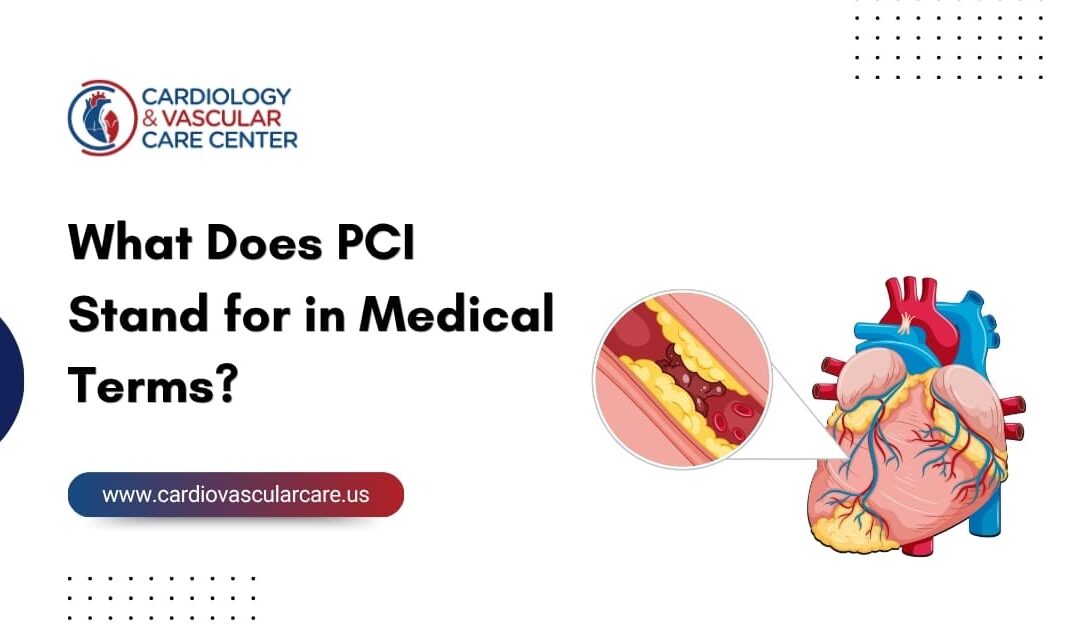
When people hear the term “PCI” in healthcare, they often wonder what it actually means and why doctors use it so frequently in heart related treatments. PCI is one of the most common and important medical procedures used to treat blocked arteries and improve blood flow to the heart. Understanding PCI can help patients and families feel more informed and confident when discussing heart health with medical professionals.
In medical terms, PCI stands for Percutaneous Coronary Intervention. It is a minimally invasive procedure used to open narrowed or blocked coronary arteries caused by coronary artery disease (CAD). PCI is commonly performed during emergencies such as heart attacks and is also used to relieve chest pain and improve overall heart function.
This guide explains everything you need to know about PCI, including how it works, why it is performed, its benefits, risks, recovery process, and how it compares to other heart treatments.
What Does PCI Stand for?
PCI stands for Percutaneous Coronary Intervention.
Let’s break down the meaning:
- Percutaneous means “through the skin.”
- Coronary refers to the coronary arteries that supply blood to the heart.
- Intervention means a medical procedure used to treat a problem.
PCI is also commonly known as coronary angioplasty or simply angioplasty.
The procedure involves inserting a thin tube called a catheter into a blood vessel, usually in the wrist or groin, and guiding it to the blocked coronary artery. A small balloon is inflated to open the artery, and in many cases, a stent is placed to keep the artery open.
The main goal of PCI is to restore proper blood flow to the heart muscle.
Understanding Coronary Artery Disease (CAD)
To understand PCI, it’s important to first understand coronary artery disease.
Coronary arteries carry oxygen rich blood to the heart. Over time, these arteries can become narrowed or blocked because of plaque buildup. Plaque is made of cholesterol, fat, calcium, and other substances found in the blood.
When plaque accumulates inside the arteries, it reduces blood flow to the heart. This condition is called coronary artery disease.
If blood flow becomes severely restricted or completely blocked, it can lead to a heart attack.
Common Causes of Coronary Artery Disease
Several factors increase the risk of CAD, including:
- High cholesterol
- High blood pressure
- Smoking
- Diabetes
- Obesity
- Lack of exercise
- Stress
- Family history of heart disease
- Unhealthy diet
Symptoms That May Require PCI
Doctors may recommend PCI when a patient experiences symptoms caused by blocked coronary arteries.
Common Symptoms Include:
Chest Pain (Angina)
A pressure like pain or discomfort in the chest, especially during physical activity.
Shortness of Breath
Difficulty breathing due to reduced oxygen supply to the heart.
What Does PCI Stand for in Medical Terms?
Feeling unusually tired because the heart is not pumping efficiently.
Heart Attack Symptoms
- Severe chest pain
- Pain spreading to the arm, neck, or jaw
- Sweating
- Nausea
- Dizziness
During a heart attack, PCI is often performed as an emergency procedure to quickly reopen the blocked artery and prevent permanent heart damage.
Why Is PCI Performed?
PCI is performed to improve blood flow through narrowed or blocked coronary arteries.
Main Reasons for PCI
1. Treat Heart Attacks
During a heart attack, restoring blood flow quickly is critical. PCI can save heart muscle and reduce complications.
2. Relieve Chest Pain
PCI can reduce or eliminate angina symptoms caused by poor blood circulation.
3. Improve Heart Function
Better blood flow helps the heart work more efficiently.
4. Increase Physical Activity Tolerance
Patients often find it easier to exercise and perform daily tasks after PCI.
5. Prevent Further Heart Damage
Opening blocked arteries lowers the risk of future complications.
Types of PCI Procedures
There are several methods used during PCI depending on the patient’s condition.
Balloon Angioplasty
This is the basic form of PCI.
A catheter with a tiny balloon at the tip is inserted into the blocked artery. The balloon is inflated to compress plaque against the artery walls, creating more space for blood flow.
Stent Placement
In most PCI procedures, a stent is inserted after balloon angioplasty.
A stent is a small mesh tube that helps keep the artery open permanently.
Types of Stents
Drug Eluting Stents
These stents slowly release medication to reduce the risk of the artery narrowing again.
Bare Metal Stents
These are standard metal stents without medication coating.
Drug eluting stents are more commonly used today because they lower the chance of restenosis.
Atherectomy
In some cases, doctors use a special device to remove plaque from the artery before placing a stent.
This approach may be used when plaque buildup is severe or heavily calcified.
Step-by-Step PCI Procedure
Understanding how PCI is performed can help reduce anxiety for patients preparing for the procedure.
Before the Procedure
Before PCI, doctors perform several tests to evaluate heart health.
Common Pre-Procedure Tests
- Blood tests
- Electrocardiogram (ECG)
- Echocardiogram
- Coronary angiography
- Stress testing
Patients may also be asked to:
- Avoid eating before the procedure
- Stop certain medications temporarily
- Arrange transportation after discharge
During the Procedure
PCI is usually performed in a specialized hospital room called a cardiac catheterization lab.
Step 1: Inserting the Catheter
A doctor inserts a catheter into a blood vessel in the wrist or groin.
Step 2: Guiding the Catheter
Using X-ray imaging, the catheter is guided to the coronary arteries.
Step 3: Injecting Contrast Dye
A dye is injected to help doctors identify blockages.
Step 4: Inflating the Balloon
A tiny balloon is inflated to open the blocked artery.
Step 5: Placing the Stent
A stent is usually inserted to keep the artery open.
The procedure generally takes between 30 minutes and 2 hours depending on complexity.
After the Procedure
Patients are monitored closely after PCI.
Recovery Includes:
- Monitoring blood pressure and heart rhythm
- Checking the catheter insertion site
- Resting for several hours
- Taking prescribed medications
Many patients return home the same day or after one overnight hospital stay.
Benefits of PCI
PCI offers several advantages compared to more invasive heart surgeries.
1. Minimally Invasive
Unlike open-heart surgery, PCI only requires a small puncture in the skin.
2. Faster Recovery
Most patients recover quickly and return to normal activities within days.
3. Immediate Blood Flow Improvement
PCI rapidly restores circulation to the heart muscle.
4. Reduced Chest Pain
Many patients experience significant relief from angina symptoms.
5. Lower Risk of Major Surgery
PCI can often avoid the need for bypass surgery in suitable patients.
Risks and Possible Complications of PCI
Although PCI is generally safe, complications can occur.
Potential Risks Include:
Bleeding
Minor bleeding may occur at the catheter insertion site.
Blood Clots
Clots can form inside the stent if medications are not taken properly.
Infection
Though rare, infections are possible.
Artery Damage
The artery may become injured during the procedure.
Allergic Reaction
Some patients react to contrast dye.
Restenosis
The artery can narrow again over time.
Doctors carefully evaluate each patient to minimize these risks.
PCI vs Coronary Artery Bypass Surgery (CABG)
Many patients wonder whether PCI or bypass surgery is the better option.
What Is CABG?
CABG stands for Coronary Artery Bypass Grafting.
This surgery creates a new route for blood to flow around blocked arteries.
Key Differences Between PCI and CABG
| Feature | PCI | CABG |
| Procedure Type | Minimally invasive | Open-heart surgery |
| Recovery Time | Shorter | Longer |
| Hospital Stay | 1–2 days | Several days |
| Best For | Mild to moderate blockages | Severe or multiple blockages |
| Anesthesia | Local anesthesia | General anesthesia |
Which Treatment Is Better?
The best treatment depends on several factors, including:
- Number of blocked arteries
- Severity of blockages
- Overall health
- Presence of diabetes
- Heart function
Doctors determine the most appropriate treatment for each patient individually.
Recovery After PCI
Recovery after PCI is usually much quicker than recovery after major heart surgery.
Immediate Recovery
Patients may need to:
- Rest for a few hours
- Drink fluids to flush out contrast dye
- Avoid heavy lifting temporarily
Lifestyle Changes After PCI
PCI treats blocked arteries, but lifestyle improvements are still necessary to maintain heart health.
Healthy Diet
Patients should focus on:
- Fruits and vegetables
- Whole grains
- Lean protein
- Low saturated fat foods
Regular Exercise
Exercise strengthens the heart and improves circulation.
Doctors often recommend cardiac rehabilitation programs.
Quit Smoking
Smoking significantly increases the risk of future artery blockages.
Stress Management
Managing stress supports overall cardiovascular health.
Medications After PCI
Patients usually need medications after PCI to prevent complications.
Common Medications Include:
Blood Thinners
Help prevent blood clots from forming in the stent.
Cholesterol Medications
Reduce plaque buildup.
Blood Pressure Medications
Help control hypertension.
Taking medications exactly as prescribed is extremely important after PCI.
Who Is a Good Candidate for PCI?
PCI may be recommended for patients who have:
- One or more blocked coronary arteries
- Chest pain caused by reduced blood flow
- A recent heart attack
- Moderate coronary artery disease
- Symptoms not controlled by medication
Some patients with complex or widespread artery disease may require bypass surgery instead.
Success Rate of PCI
PCI is considered highly successful in restoring blood flow.
General Success Rates
Most PCI procedures successfully open blocked arteries and improve symptoms.
Success rates are especially high when:
- Blockages are treated early
- Patients follow medical advice
- Lifestyle changes are maintained
Long-Term Outlook After PCI
Many patients live healthy and active lives after PCI.
However, long-term heart health depends on ongoing care and healthy habits.
Important Long-Term Steps
- Attend follow-up appointments
- Take medications consistently
- Maintain a heart-healthy diet
- Exercise regularly
- Monitor blood pressure and cholesterol
Patients who ignore lifestyle changes may develop new blockages in the future.
Final Thoughts
So, what does PCI stand for in medical terms? PCI stands for Percutaneous Coronary Intervention, a minimally invasive procedure used to open blocked coronary arteries and restore blood flow to the heart.
PCI plays a critical role in treating coronary artery disease and heart attacks. It helps relieve chest pain, improves heart function, and can save lives during cardiac emergencies.
Although PCI is highly effective, maintaining long-term heart health still requires healthy lifestyle choices, regular medical care, and proper medication management.
Understanding PCI allows patients and families to make informed decisions about heart treatment and take proactive steps toward better cardiovascular health.
Frequently Asked Questions About PCI
Is PCI a Major Surgery?
No. PCI is considered a minimally invasive procedure rather than major surgery.
Is PCI Painful?
Most patients feel little discomfort during the procedure because local anesthesia is used.
How Long Does a PCI Procedure Take?
The procedure usually lasts between 30 minutes and 2 hours.
How Long Does Recovery Take?
Most people recover within a few days, although complete healing may take longer.
Can Arteries Become Blocked Again After PCI?
Yes, arteries can narrow again over time, especially without proper lifestyle changes and medication adherence.
What Foods Should Be Avoided After PCI?
Patients should limit:
- Fried foods
- Processed foods
- Sugary beverages
- Excess salt
- Saturated fats